


Discover the 5-year crude oil price forecast through 2030. Explore how geopolitical risks, structural oversupply, and energy transition impact market trends.
SpaceX stock forecast for 2027, 2031 and 2036, covering IPO momentum, lockup risks, options activity, ETF demand, valuation and long-term growth scenarios.
USD/CAD holds near 1.4000 as weaker oil prices pressure the Canadian dollar, while Fed policy risk and overbought RSI shape the technical outlook.
Analysis of how Kevin Warsh’s possible shift away from Fed dot-plot guidance could affect Bitcoin, liquidity, risk appetite and long-term crypto sentiment.
An in-depth analysis of the XAG/USD silver price forecast, exploring the impact of the US-Iran peace framework, Fed rate decisions, and crucial technical levels.
EUR/USD trades near 1.1580 as the Dollar strengthens before the Fed decision, while ECB inflation risks and key technical levels remain in focus.
After SpaceX's record $75B IPO and SPCX debut from $135 to $161, discover actionable CFD strategies for Middle East traders — momentum, breakout, scalping, swing and hedging in AED terms on Markets.com.
Read our in-depth analysis of the June 2026 FOMC meeting under new Fed Chair Kevin Warsh. Discover how the removal of forward guidance and a hawkish dot plot impact USD, EUR, and JPY.
Japan and South Korea stocks recovered from early losses, with the Nikkei hitting a fresh record high and KOSPI rising over 1.5% as chip shares rebounded.
SpaceX (SPCX) closed +19% on debut and is now the 6th-largest US company inside the Nasdaq 100. Here are 5 ways South African CFD traders can trade the aftermath in ZAR via Markets.com.
A practical, step-by-step guide for South African traders: how to trade the SpaceX (SPCX) IPO using CFDs in rand. Long vs short, leverage, margin, spreads, stops and demo trading on Markets.com.
SpaceX’s expected IPO raises questions over S&P 500 and Nasdaq-100 inclusion as investors assess index rules, profitability and valuation risk.
South Korean chip stocks dropped as investors took profits, with Samsung and SK Hynix falling over 5% and major indexes triggering circuit breakers.
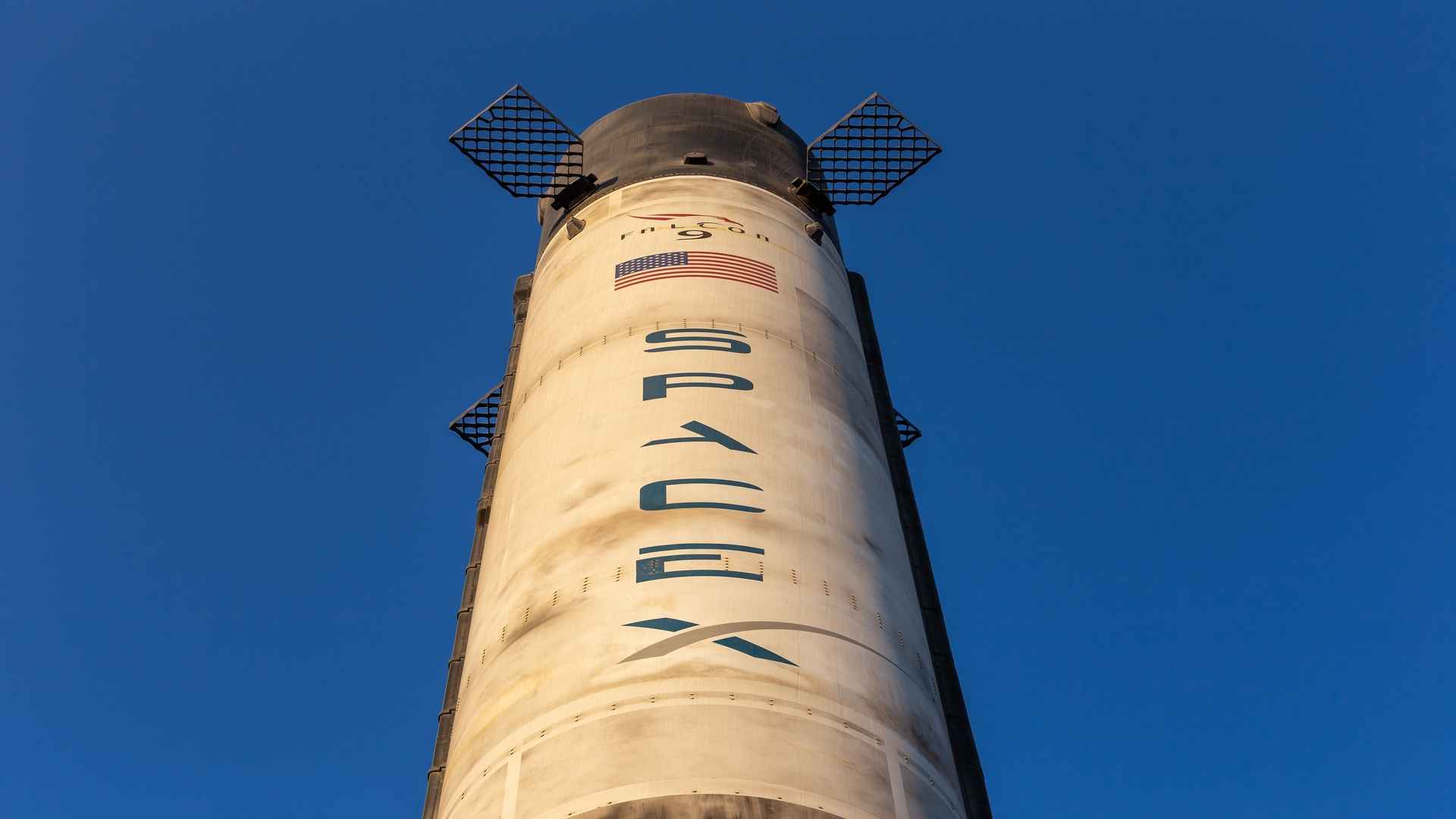
SpaceX shares fall 16% as post-IPO momentum weakens, with investors assessing valuation, bond plans, cash reserves and long-term growth.
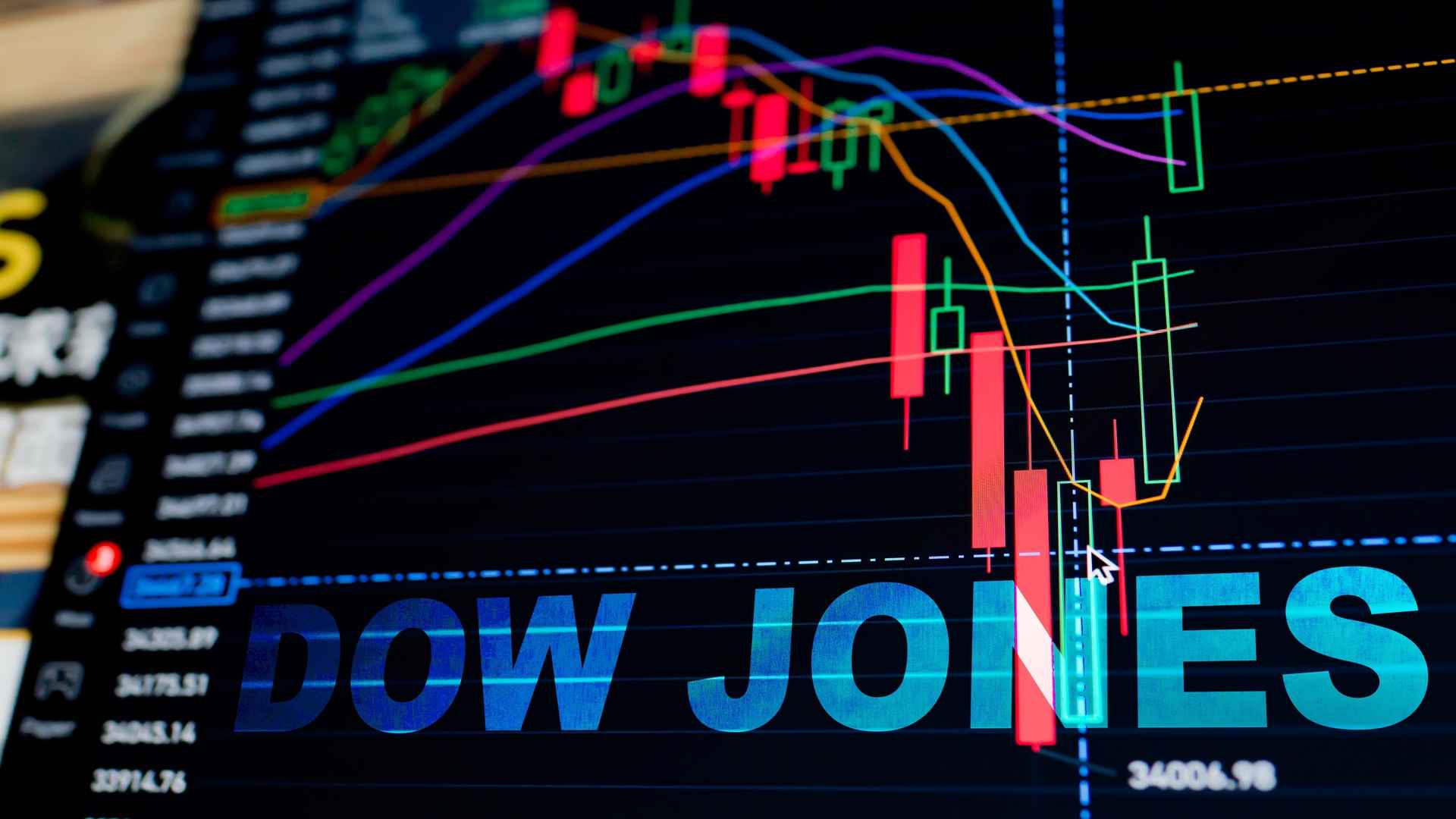
US markets diverged as megacap tech losses dragged down the Nasdaq and S&P 500, while oil plummeted on US-Iran progress. Read the full market breakdown.
Who can open a swap-free account? You don't have to be Muslim. Learn the eligibility rules, what brokers ask for, and why non-Muslim traders use one too.

Weighing swap-free account pros and cons? See the benefits, the costs, who gains most from swap-free for swing and long-term trading, and whether it's worth it.
What is a swap-free account? Learn how it works, why it removes overnight interest, what it costs, which instruments are covered, and how to open one.



