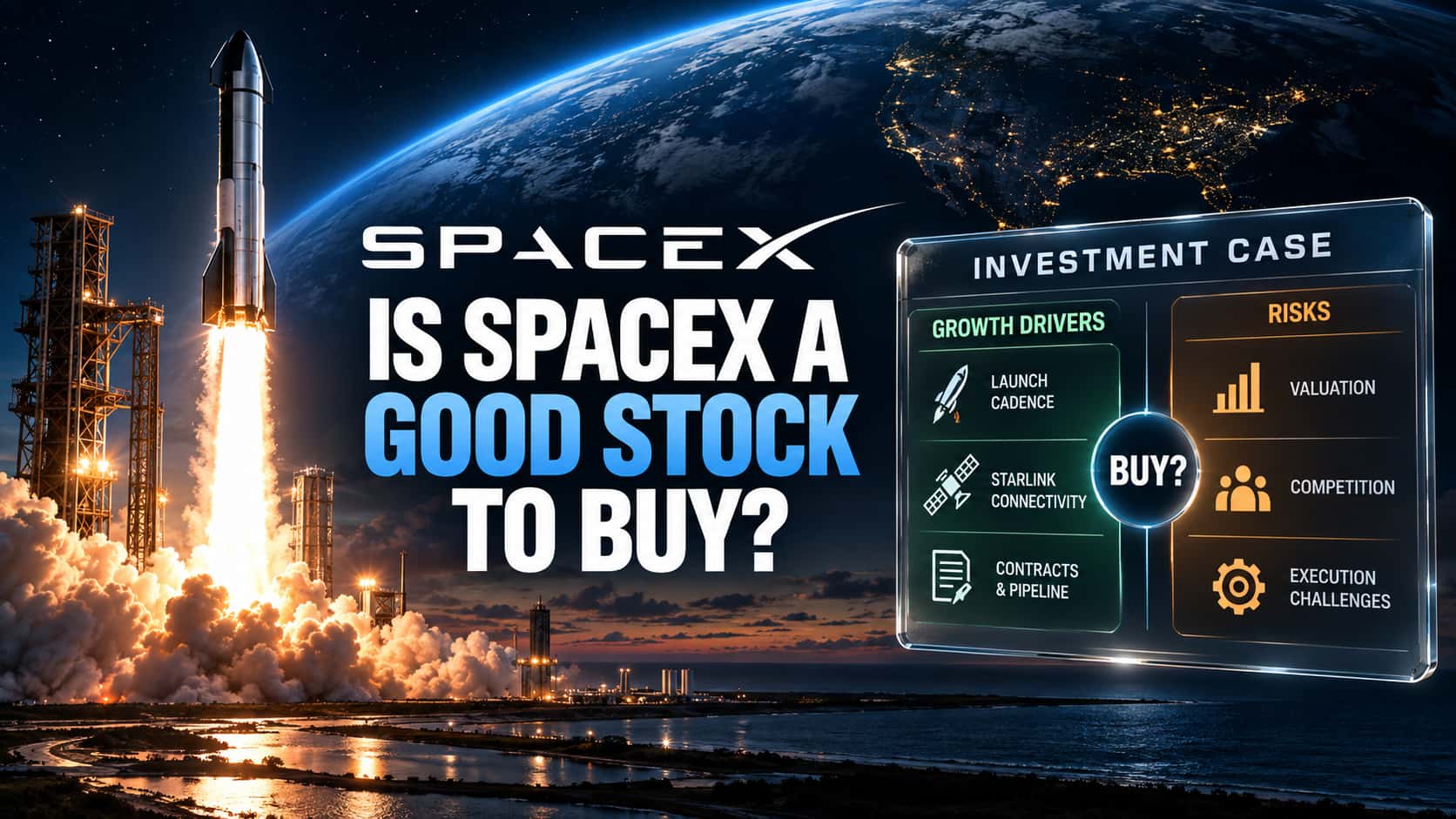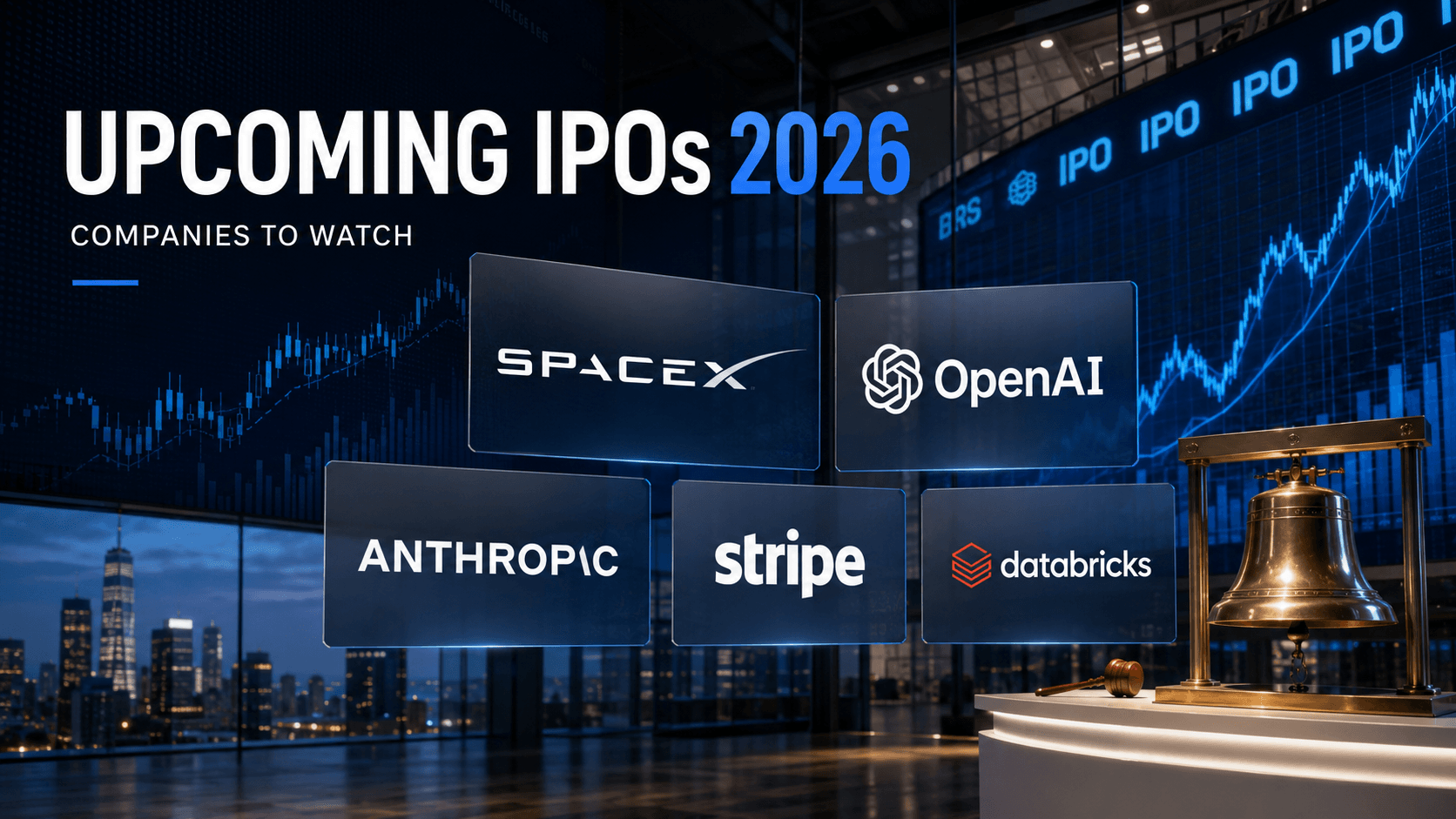
SpaceX, Elon Musk's space exploration company, is poised for a monumental Initial Public Offering (IPO), potentially becoming the largest in history. The offering is expected to value the company between $1.75 trillion and $2 trillion, with a potential funding raise of up to $75 billion. However, these record-breaking figures are met with significant caution from many investors, particularly retail investors, who express concerns over the stratospheric valuation and the possibility that future growth expectations have already been priced in. While acknowledging SpaceX's groundbreaking innovations in rockets, satellites, and artificial intelligence, some observers believe the current valuation is premature and resembles 'science fiction narratives'.
For the past year, market investors have been fixated on a single question: when will the Federal Reserve initiate its rate-cutting cycle? The anticipation of lower rates fueled a robust rally in U.S. equities, as investors widely believed that cooling inflation would prompt the Fed to ease. However, the new Fed Chair's novel perspective on measuring victory over inflation may fundamentally alter the market's established logic. Kevin Warsh, sworn in as Fed Chair on May 22nd, replacing Jerome Powell, was nominated by President Trump partly due to a perceived slowness in rate cuts that was seen as hindering economic growth. Yet, a brief statement made by Warsh during his Senate Banking Committee confirmation hearing suggests a recalibration of investor expectations. Instead of a rigid 2% inflation target, Warsh articulated that price stability means 'inflation is no longer a topic of widespread public concern.' This 'perceived inflation' approach could lead to prolonged higher interest rates, delayed cuts, an accelerated balance sheet reduction, posing significant challenges for high-growth technology sectors and markets that have priced in monetary easing.
US gasoline inventories are experiencing an unprecedented drawdown, approaching the longest period of inventory reduction in history, raising concerns about supply security during peak demand season. This decline coincides with rising tensions in the Middle East and a significant increase in gasoline prices, which could exacerbate economic pressures on consumers. The analysis discusses the causal factors, future outlook, and the impact of potential peace agreements or continued conflicts on the US fuel market.
The current stock market is exhibiting a pronounced divergence, with the S&P 500 marking new record highs, yet these gains are heavily concentrated in the Artificial Intelligence sector and a handful of individual stocks. This disconnect raises concerns among many analysts, echoing the dot-com bubble of 2000. This article delves into the reasons behind this divergence, compares it to historical precedents, explores underlying risks, and offers investment advice on how to hedge against future volatility.
Prominent financial commentator Peter Schiff is sounding the alarm, cautioning investors against the current market exuberance. He argues that record-high stock prices are detached from economic fundamentals and are being driven by sentiment alone, setting the stage for a severe downturn. Schiff also foresees a broader financial crisis impacting the US economy, including sovereign debt and currency devaluation, and advises investors to seek refuge in gold and silver.
IBM has unveiled an ambitious $10 billion investment plan for quantum computing over the next five years, bolstered by $2 billion in US government funding to nurture the industry. The company is focused on building quantum chip manufacturing capabilities and developing fault-tolerant quantum computers by 2029. This strategic shift, alongside a $5 billion cybersecurity initiative, positions IBM at the forefront of the coming AI revolution. Wall Street is increasingly re-evaluating quantum computing as the next major technological frontier, mirroring past surges of interest in AI.
US Bank presents a bullish stance on a curated list of stocks for June, with a particular focus on Apple and Nvidia in the tech sector, citing their AI capabilities. Citigroup is favored in financials, with emphasis on buyback programs and strategic transformation. The bank also recommends Daler and National Vision Holdings in the consumer sector, driven by growth strategies and attractive valuations, and Toll Brothers in real estate for its leadership in the luxury housing market.

Will gold hit $6000 in 2026: Gold has re-emerged as one of the most closely watched assets in global financial markets as investors seek protection against economic uncertainty, inflationary pressures, currency fluctuations, and geopolitical tensions.

Will gold hit $6000 in 2026: Gold remains one of the most closely followed assets in the world, attracting attention from central banks, institutional investors, wealth managers, and individual traders alike.

If you are tracking the latest openai ipo news, you know that the company is meticulously building the infrastructure required for life as a public market titan through corporate restructuring and multi-billion dollar funding rounds. For global investors looking into how to invest in openai, understanding the evolving openai ipo plans has become essential. While Wall Street eagerly anticipates an official openai ipo date, parsing the company's financial health and regulatory milestones is the only way to strategically prepare for this historic openai ipo.

Best CFD Brokers: Gold trading continues to hold a special place in the UAE’s financial markets, attracting traders who seek stability, liquidity, and opportunities during uncertain economic conditions.

Best CFD Brokers: Gold CFD trading has become one of the most popular ways for South African traders to access the global commodities market without owning physical bullion.
The European Union is reportedly considering significant adjustments to its oil price cap mechanism for Russian crude as part of an upcoming sanctions package. Driven by Middle East conflicts and volatile global energy markets, proposals include temporarily freezing the current cap or suspending the automatic adjustment mechanism. The measures aim to further curtail Russia's energy revenues and financial maneuverability, while also broadening sanctions to target entities and vessels aiding circumvention.
This article delves into Berkshire Hathaway's strategic pivot in the real estate sector with the acquisition of homebuilder Taylor Morrison for $6.8 billion. It explores the implications of new CEO Greg Abel's leadership, the anticipated integration of homebuilding operations, and how this move represents a departure from the company's traditional decentralized approach. The piece also highlights the timing of the deal amidst a cooling U.S. housing market and provides details on the transaction and its advisors.
Nvidia is strategically evolving beyond its role as an AI chip supplier, aiming to become a comprehensive platform company covering the entire "AI factory" value chain. Key developments include the introduction of the Vera CPU for data centers, designed for agent-centric tasks with significant performance gains over traditional x86 architectures. The company is also launching the DSX platform to support AI factory development, offering end-to-end digital solutions. Nvidia is entering the PC processor market with the RTX Spark chip, a CPU-GPU integrated solution for Windows for Arm. Further expansions are seen in robotics and autonomous driving, alongside a deepened partnership with TSMC to enhance semiconductor design and manufacturing efficiency.

Learn how to trade NAS100 in 2026. Master market hours, leverage, tech sector drivers, and essential CFD risk management strategies.

Discover how South African traders navigate load shedding & forex trading. Learn to set up a Forex VPS to protect your CFD trades from power grid outages.

Learn how to trade USD/ZAR, what moves the dollar-rand pair, and how to manage CFD risks such as volatility, leverage, margin and slippage.