This analysis delves into the implications of Kanto Denka and Central Glass's decision to halt tungsten hexafluoride (WF6) production, a crucial electronic gas for advanced chip manufacturing. It explores the underlying causes, including soaring raw material costs, operational pressures, and long-term supply challenges, alongside the risks posed to major chipmakers like Samsung, SK Hynix, and TSMC. The piece also examines efforts in South Korea and China to bolster domestic capabilities and discusses the ongoing global supply chain restructuring toward greater diversity and decentralization, emphasizing that these transitions will be lengthy and costly.
This analysis presents a novel strategic approach to the Iranian crisis, proposing phased economic pressure targeting Kharg Island, Iran's primary oil export hub. This strategy aims to compel Tehran to reopen the Strait of Hormuz, while avoiding full-scale military conflict and considering domestic and international political balances.
The latest US military strikes targeting Iran underscore the administration's reliance on military pressure, yet current events reveal significant flaws in this approach. Iran exhibits increased resolve, pushing negotiations towards a stalemate and escalating risks to regional stability and global energy supplies.
This article delves into the challenges and opportunities presented by the reopening of the Hormuz Strait for the global oil market. It highlights the official welcome from Gulf nations but underscores the inherent risks of increased oil supply, which could dilute OPEC's market control. The piece traces the factors that led to oil supply disruptions, the efforts to restore production, and emphasizes that the recovery of supply and demand may not be synchronized. It also discusses growing internal divisions within OPEC, including the UAE's withdrawal, and the impact of attacks on Russian energy facilities. The article concludes with a warning about the growing risk of oversupply and the potential end of the OPEC era, supported by forecasts suggesting a market surplus following the strait's reopening, threatening OPEC's strategies and exacerbating financial challenges for member states.
Oracle has announced Q4 fiscal year financial results that surpassed analyst expectations, with robust growth in revenue, profit, and backlog, primarily driven by the surging demand for artificial intelligence. Despite this strong performance, the company's stock experienced a post-market decline, attributed to concerns over significant capital expenditures required to support its expanding cloud infrastructure. The partnership with OpenAI is highlighted as a key factor in the unprecedented surge in Remaining Performance Obligations (RPO). This analysis examines the financial details, growth drivers, expansion costs, market reaction, and future challenges and opportunities.
The analysis delves into the reasons behind gold's dip below the 200-day moving average, attributing it to a robust US labor market and rising inflation, which are reinforcing expectations of prolonged high interest rates. It emphasizes the significance of technical support levels, such as the $4100-$4075 per ounce range, and suggests the current decline might be a healthy correction within a broader long-term uptrend. The impact of geopolitical tensions, particularly in the Middle East, on energy prices and inflation is also discussed, limiting room for dovish monetary policy. The analysis stresses that a reversal of gold's bearish trend and the attraction of new capital require breaking through key resistance levels, while fundamental drivers for a long-term bull market, such as reserve diversification and currency debasement concerns, remain intact.
This analysis delves into the forthcoming May US Consumer Price Index (CPI) report, a crucial indicator for determining near-term interest rate paths. Market expectations point to continued inflation resurgence, primarily driven by rising energy prices due to the Iran conflict. The report will examine detailed forecasts for headline and core inflation, expert insights into the persistence of inflationary pressures, and their potential impact on the Federal Reserve's monetary policy decisions, while also considering the resilience of the labor market.

SpaceX’s expected IPO raises questions over S&P 500 and Nasdaq-100 inclusion as investors assess index rules, profitability and valuation risk.

US CPI data is expected to show May inflation rising to 4.2%, with oil prices and Fed rate-hike bets in focus on USD and EUR/USD traders.

CFD Trading Strategies: Every four years, the FIFA World Cup captures the attention of billions of people around the globe, creating excitement that extends far beyond the football pitch.

A CFD Trading Guide for South Africa: The FIFA World Cup is widely recognized as one of the most influential global sporting events, but its impact extends far beyond football.

This comprehensive guide answers the industry's defining question—what is NFP in trading—and analyzes the unique macroeconomic dynamics of the June 2026 data release, details how different asset classes react to surprises, and outlines actionable trading strategies to navigate this monthly market event.
During a congressional hearing, Brett Matsumoto, nominee to lead the US Bureau of Labor Statistics (BLS), unequivocally denied any data manipulation within the agency. He pledged to uphold the agency's professional independence and ensure data is released "under the law." Matsumoto also underscored critical challenges facing the BLS, including insufficient funding and declining respondent participation, which threaten the reliability of economic statistics. He outlined a strategic plan to address these issues, proposing incentives for respondents, integrating additional data sources, and exploring the use of artificial intelligence, emphasizing that "decisions will be based on science, not politics."
This article delves into the implications of the impending public offerings by tech giants SpaceX, OpenAI, and Anthropic. The analysis highlights potential funding sources for these massive IPOs and how these moves could significantly reshape capital allocation within the technology sector. Focusing on the strategic aspects of SpaceX's AI ventures and the Starship project, alongside broader impacts for investors and retail shareholders, the piece offers insights into evolving capital market dynamics.
This article delves into recent high-level diplomatic meetings between the United Arab Emirates and Iran, marking a significant pivot in their bilateral relations. Amidst escalating regional tensions, both nations are increasingly recognizing the imperative to de-escalate confrontation and foster stability. The piece examines the economic and security drivers behind this rapprochement, its impact on the UAE's ambitious investment plans, and Iran's crucial role as a trade partner. It also addresses persistent challenges, including UAE demands for the Strait of Hormuz and war reparations, and disagreements over Iran's nuclear program and ballistic missile development. Ultimately, the article underscores the strategic importance of diplomatic dialogue in achieving regional security and prosperity.

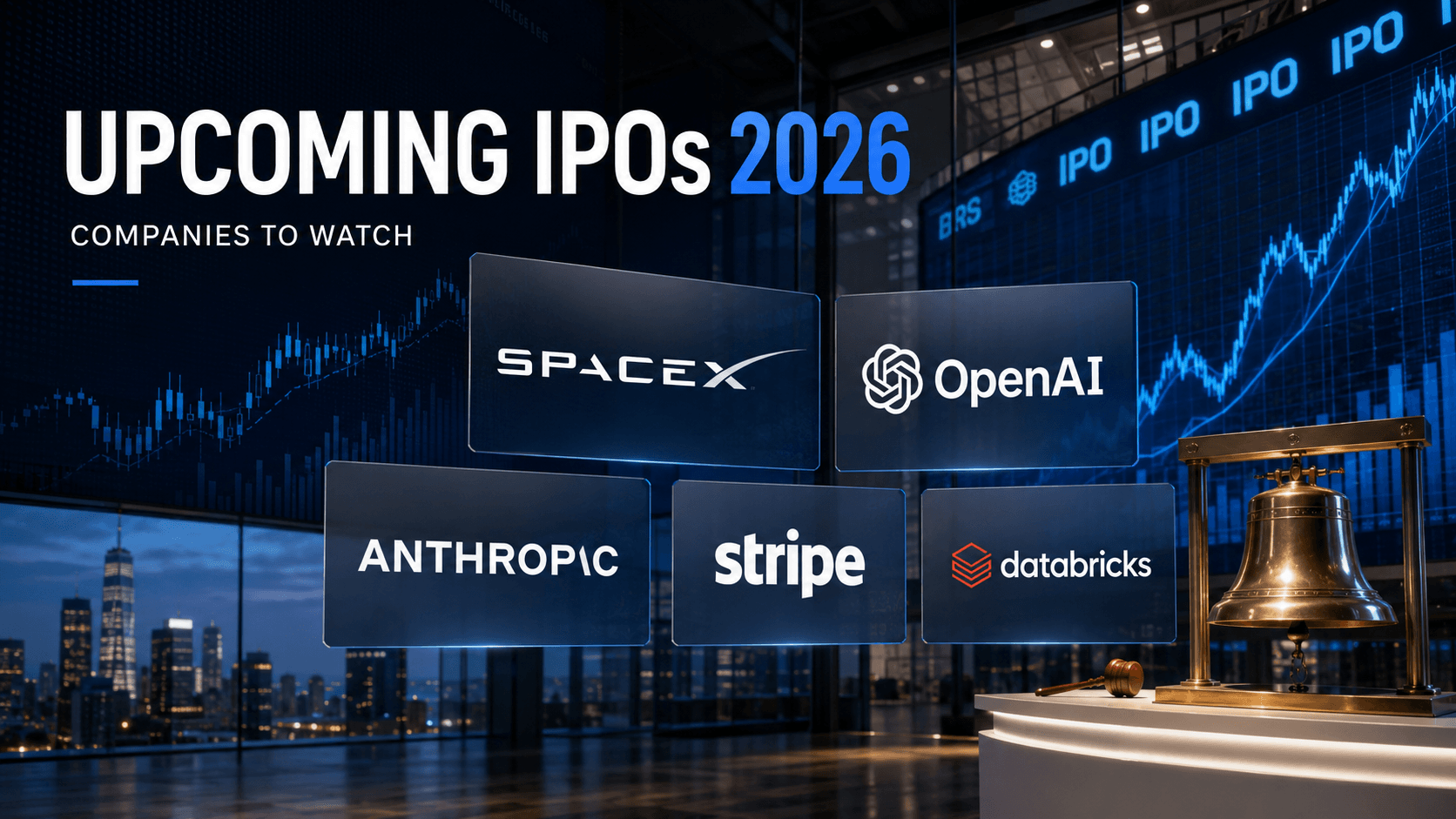
Explore 10 hot IPO stocks to watch in 2026, including SpaceX, Anthropic, OpenAI and Stripe, plus IPO risks and research tips.

Learn what equity trading means, how equities work, what moves share prices, and how traders can approach shares, ETFs trading or CFDs.

Learn what negative balance protection means in CFD trading, how it works, when it may apply, and what risks traders still need to manage with leverage.