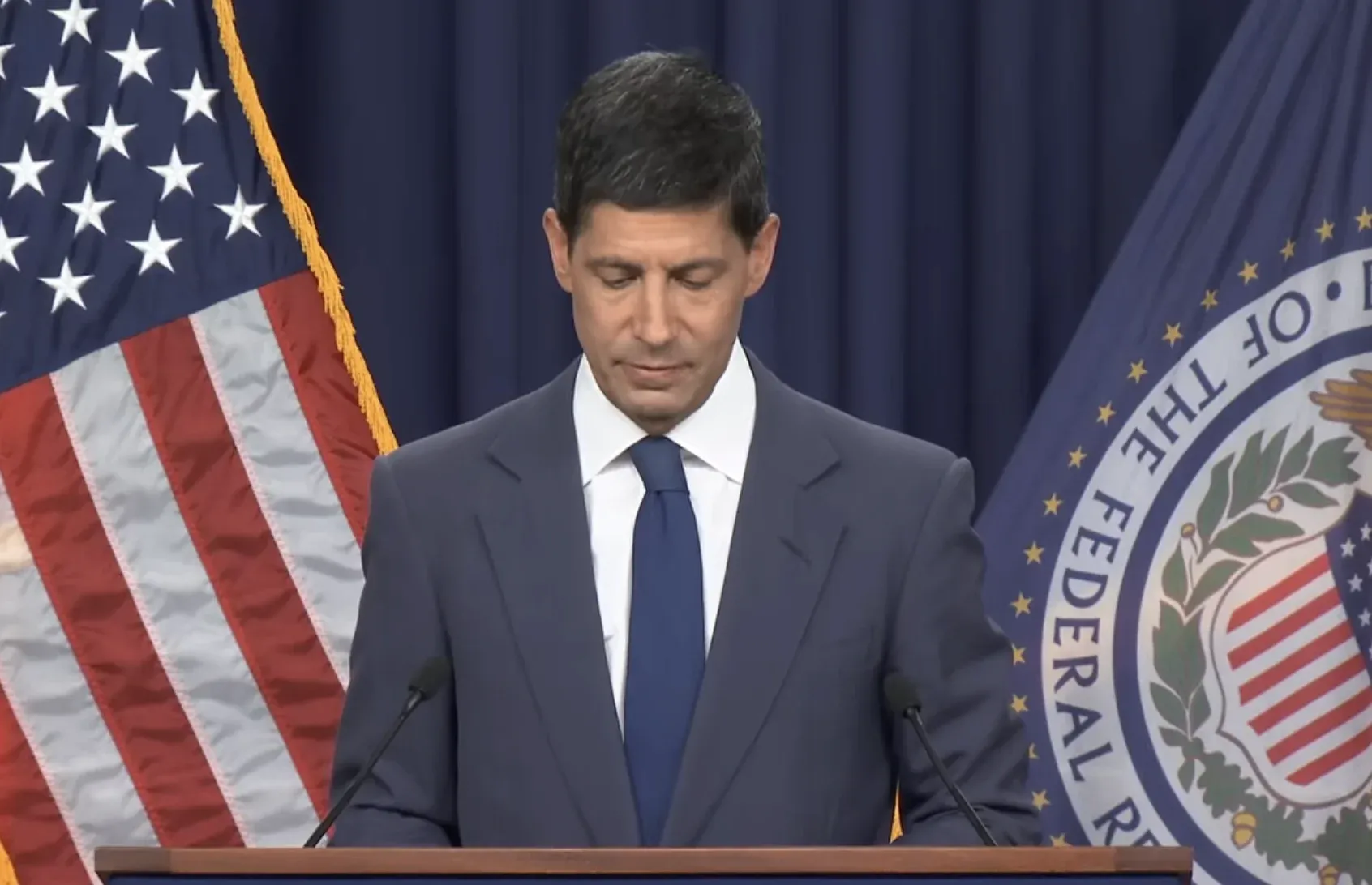
Federal Reserve officials convene this week to deliberate monetary policy amidst global oil supply disruptions, sparking debate on whether the conflict will hinder growth or fuel persistent inflation. A cautious approach or hawkish signals are likely given still-elevated inflation and rising oil prices. Policymakers are balancing inflation control against growth concerns amid escalating uncertainty.
Despite escalating geopolitical tensions, leading strategists from Wall Street's major banks maintain a positive outlook on the US stock market. Their conviction is rooted in robust fundamental drivers such as earnings growth, coupled with less extreme equity valuations compared to recent periods. These experts anticipate that the S&P 500 index will navigate current challenges, bolstered by positive macroeconomic dynamics. This analysis delves into these projections, considering the impact of oil price volatility and interest rate expectations.
Geopolitical strategist Marko Papic introduces a novel model for estimating the likely duration of a potential conflict in Iran. His framework hinges on an equation assessing Iran's pain threshold, the scale and intensity of US punitive bombings, and the responsiveness of other global actors. Papic posits that these combined elements could lead to the conflict's conclusion within two weeks, suggesting Iran's tolerance for suffering is lower than widely anticipated. He also emphasizes the crucial importance of reopening the Strait of Hormuz, which necessitates international cooperation, referencing historical precedent from the Iran-Iraq War.
A letter from Saudi Aramco to its global buyers, stating uncertainty over April export ports, has starkly revealed a new reality in the energy market: Iran, not the US, holds the key to its restart. The current crisis, marked by the most severe energy supply disruption in history, unfolds as Iran blocks the Strait of Hormuz, impacting 20% of global oil and LNG supplies. Iran's drone and missile capabilities to disrupt shipping appear to exceed the timeline for conflict cessation, raising concerns of prolonged disruption even if hostilities cease. The situation is exacerbated by attacks on energy infrastructure, with expectations of soaring insurance costs and price hikes. Major producers face significant output cuts, with key fields shut down and delayed restarts, placing immense pressure on the global economy.

Bank of America has elevated its 2026 Brent crude price forecast to $77.50 per barrel, citing tightened global supply and accelerated inventory declines due to shipping disruptions in the Strait of Hormuz. The revised forecast incorporates various scenarios contingent on the duration of the transit interruptions. Despite market calming efforts from US officials, the ongoing conflict is seen as a persistent upward pressure on prices. The analysis also examines the implications for the US exploration and production sector.

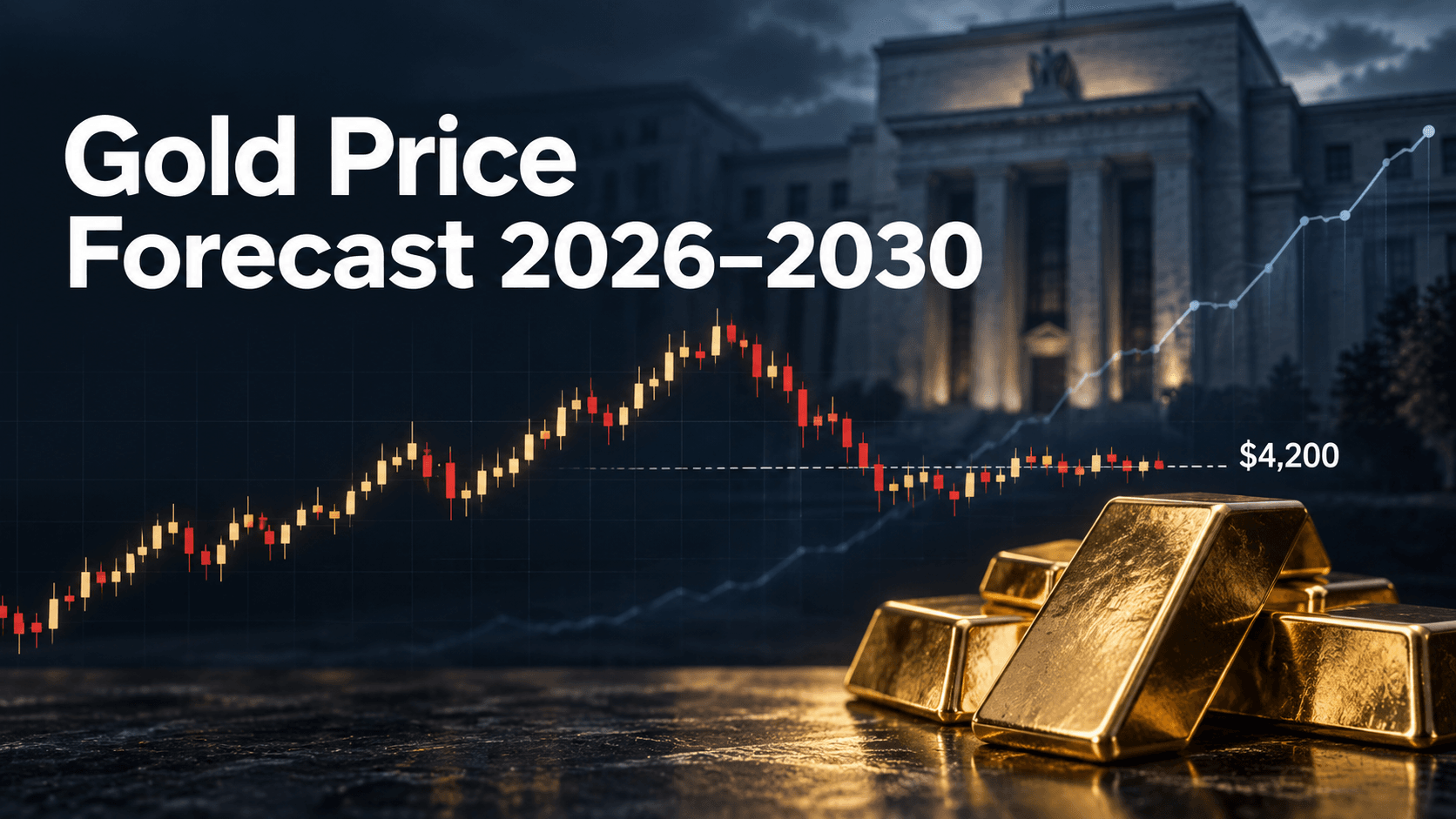
Commodity market analysis: Gold has long been a focal point in the commodity markets, valued for its intrinsic qualities and historical significance.

Gold prices analysis: Gold has been a cornerstone of the global financial market for centuries, celebrated not only for its intrinsic value but also as a symbol of wealth and a hedge against economic uncertainty.

DFM and ADX High-Volume Stock Movers: The Dubai Financial Market (DFM) and Abu Dhabi Securities Exchange (ADX) serve as key trading platforms for investors in the UAE.

AMD stock analysis 2026: Advanced Micro Devices, Inc. (AMD) has garnered considerable attention in the technology sector due to its innovative approach in the semiconductor industry.

ADBE stock is trading down 7% today: Adobe Inc. (ADBE) has been a staple in the technology sector, known for its suite of creative and digital marketing software solutions.

Adani Total Gas stock (ATGL) surged: Adani Total Gas Limited (ATGL) has recently experienced a remarkable surge in its stock price, rising 37% over just two days.

Starbucks (SBUX) shares analysis: Starbucks Corporation, renowned for its premium coffee and iconic coffeehouses, has been a significant player in the global food and beverage industry.