


Explore the Super Micro stock forecast for 2026–2030, including analyst targets, growth drivers, valuation scenarios, technical levels, and key SMCI risks.

Explore the gold price forecast for 2026, compare major bank targets, and see what could keep bullion near $4,500 or drive it above $6,000 by year-end.
Explore the NVIDIA stock forecast for 2026–2030, covering earnings, Rubin, AI infrastructure spending, valuation risks, and clear bull, base and bear scenarios.
Explore our AMD stock price prediction for 2026, 2027, 2028 and 2030, covering AI growth, earnings, valuation and bull, base and bear scenarios.

Explore our Dow Jones index forecast for 2026 and 2030, including analyst projections, technical levels, market drivers, and bull and bear scenarios.

Explore the USD/JPY forecast for 2026–2030, with yearly scenarios, Fed and BOJ policy drivers, key price levels, trading examples and major risks to watch.

Read our S&P 500 forecast for 2026, 2027 and 2030, including bull, base and bear scenarios, key market drivers, technical levels and CFD trading risks.
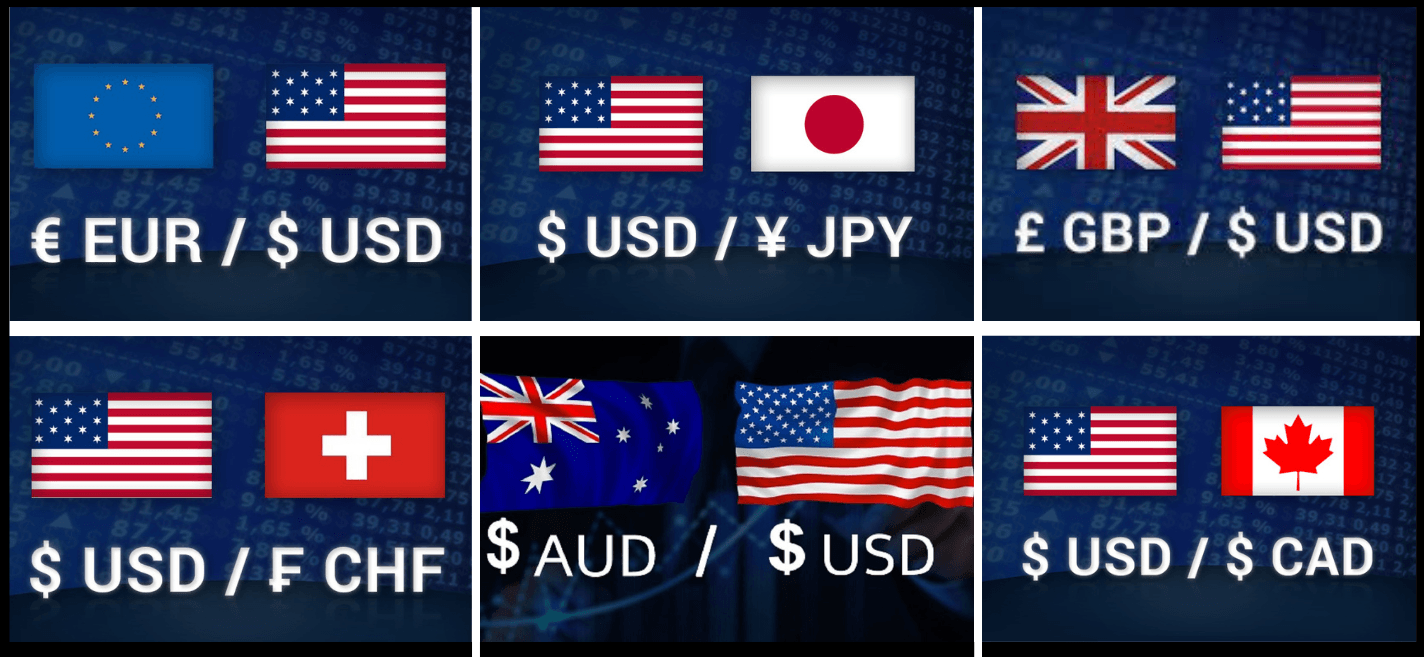
Discover the best forex pairs for beginners in 2026. Compare liquidity, spreads, volatility, trading hours and market drivers before choosing a pair.
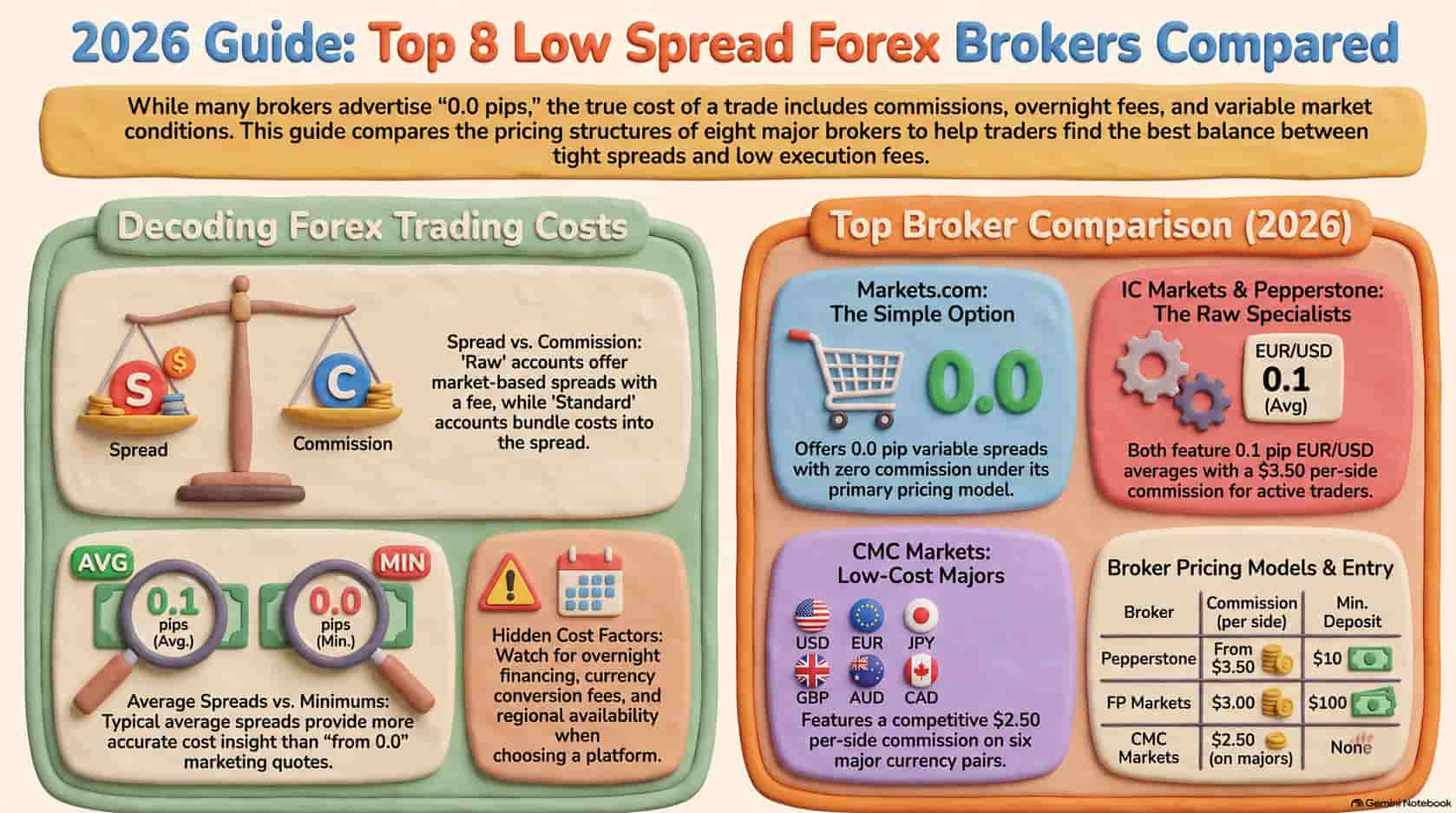
Compare eight low spread and zero spread forex brokers in 2026. Review spreads, commissions, account types, platforms and minimum deposits.

Discover the top 10 most traded currency pairs in 2026 using the latest BIS data, with turnover, market share, liquidity and key price drivers.

Explore Markets.com promotion offers, including welcome bonuses, deposit rewards, cash rebates, MarketsClub benefits and referral promotions.

Looking for the best forex broker with welcome bonus offers? Compare five brokers’ rewards, deposits, withdrawal rules, platforms and eligibility.

Gold rises towards $4,400 on August 12 as geopolitical risks lift demand, while markets await US CPI data for the next signal on Federal Reserve policy.

Brent crude approaches $90 as stalled US-Iran diplomacy, shipping attacks and restricted Hormuz traffic intensify global supply concerns.

NIO stock fell 4.15% after BlackRock disclosed a stake reduction, despite strong July deliveries and record demand for the ES9 electric SUV.
Learn how to invest in the S&P 500 for beginners. Compare ETFs, index funds and CFDs, understand costs and risks, and follow six simple steps.

GOOG vs GOOGL explained: compare Alphabet Class A and Class C shares, voting rights, prices, dividends, trading risks, and which may best suit your goals.

What is drawdown in trading? Learn the formula, see practical examples, clearly understand recovery math, and explore drawdown risk in leveraged CFD trading.





