Factors
Company Performance: NORB’s revenue, profit margins, and growth prospects heavily influence investor sentiment.
Market Conditions: Overall market trends, economic indicators like GDP growth and inflation, and global events impact stock prices.
Industry Trends: The performance and outlook of the specific industry NORB operates in affect its stock valuation.
Investor Sentiment: General investor confidence and risk appetite drive demand for stocks, impacting price.
Competitor Actions: Strategies and performance of competitor companies influence investor perception of NORB.
Dividends: Dividends paid, or expectations thereof, can impact stock price, as they represent a return to investors.
News and Events: Company-specific news, such as product launches, partnerships, or acquisitions, significantly affect price.
Regulatory Changes: New laws or regulations affecting the company or its industry can alter investor sentiment.
Interest Rates: Interest rate hikes can make bonds more attractive relative to stocks, decreasing stock demand.
Currency Fluctuations: If NORB operates internationally, currency exchange rates will impact its earnings and stock price.
Volume Traded: High trading volume often confirms price movements, increasing investor confidence in that direction.
Analyst Ratings: Recommendations from financial analysts can move stock prices as investors react to their opinions.
Global Economy: Global economic health and international trade relations affect investor confidence and company prospects.
Technological Advancements: New technologies, or NORB’s adoption thereof, can impact future growth prospects and stock price.
Geopolitical Risk: Political instability or geopolitical events can introduce uncertainty, affecting investor confidence.
Management Changes: Leadership transitions can create uncertainty, at least initially, affecting stock price.
Commodity Prices: Fluctuations in commodity prices can impact the costs and profitability of the company.
Supply Chain Issues: Disruptions to NORB’s supply chains can affect production, sales, and ultimately, stock price.
Environmental Factors: Increasing environmental awareness can affect investor sentiment and, in turn, stock prices.
Social Factors: Changes in consumer preferences and social trends can impact the demand for NORB's products/services.
Seasonality: Seasonal patterns in demand for the company's products/services might affect quarterly earnings.
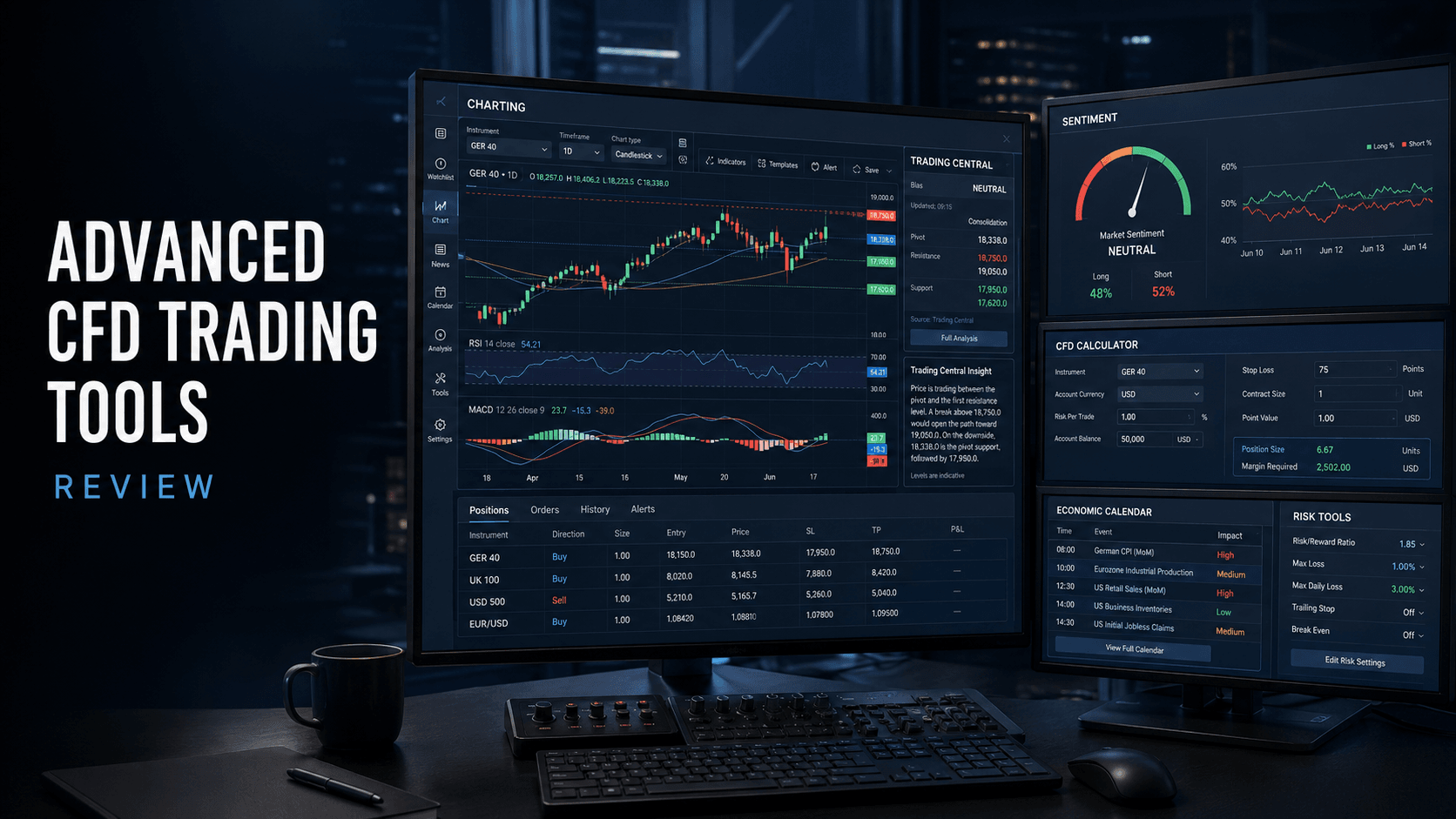
Technicals: Technical analysis factors such as moving averages, RSI, and MACD can affect short-term price movements.
Inflation: Rising inflation decreases the purchasing power of future earnings, potentially lowering stock valuations.
Government Policies: Government policies, such as tax incentives or trade tariffs, can affect NORB's competitiveness.
Labor Costs: Changes in wage levels or labor market conditions can impact the company's profitability.
Consumer Confidence: High levels of consumer confidence can lead to increased spending and, potentially, higher sales.
Debt Levels: The company's debt levels and interest expense affect its profitability and financial stability.
Capital Structure: Decisions related to issuing shares or raising debt can affect the company's valuation and stock price.
Acquisition Activity: If the company is acquired or makes an acquisition, the stock price will be significantly affected.
Share Buybacks: A company’s decision to repurchase its own shares may affect investor perception.
Earnings Reports: A company’s quarterly or annual earnings reports can lead to big price swings.
Insider Trading: Illegal insider trading activities can manipulate stock prices.
Short Interest: A high short interest suggests bearish investor sentiment, which might affect the stock price.
Market Liquidity: Lower market liquidity can result in wider bid-ask spreads and more volatile price movements.
Stock Splits: Stock splits do not change the company’s underlying value but may influence investor behavior.
Credit Ratings: Changes in credit ratings by agencies such as S&P or Moody's affect investor confidence.
Pension Obligations: Underfunded pension liabilities create a risk for companies and affects valuations.
Regulatory Scrutiny: Increased regulatory scrutiny or investigations can negatively affect investor sentiment and stock price.
Innovation: NORB's innovation, new product releases and market share will affect investor sentiment.
ESG Ratings: ESG ratings represent risks and returns and thus affect investor decisions.
Economic Growth Rate: A higher economic growth rate creates higher aggregate demand for NORB's products.
Global Conflicts: War and conflict can affect NORB's supply chain, leading to changes in stock prices.
Political stability: Political climate, whether stable or not, can affect the stock price of NORB.
Cybersecurity: Security breaches in NORB's operations may affect investor confidence and stock price.
Energy Prices: Prices of energy are often a crucial input to production, causing stock price fluctuation.
Raw Material Prices: Raw materials used in NORB's product affects overall cost, causing stock price changes.
Weather Patterns: The weather is important for companies with a supply chain tied to weather.
Demographic Changes: Demographic shifts can influence demand for NORB's products or services.
Technological Disruption: Technological breakthroughs will influence demand for NORB's products or services.
Healthcare Costs: Rising healthcare costs could reduce disposable income and decrease demand for NORB's products.
Natural Disasters: Natural disasters can disrupt supply chains, leading to changes in stock prices.
Water Scarcity: Lack of water could harm the supply chain, leading to changes in stock prices.
Food Security: Food scarcity could affect investor confidence and in turn, stock price.
Pandemics: Pandemics may disrupt supply chains, leading to changes in stock prices.
Trade Wars: Trade Wars will cause disruptions in supply chains, leading to changes in stock prices.
Climate Change: Climate change can impact the supply chain, which will lead to stock price change.
Automation: Automation improvements may improve efficiencies and thus increases stock price.
Artificial Intelligence: Artificial intelligence improvements can greatly improve productivity and earnings.
Cybersecurity Threats: Cyber security threats can impact trust and thus stock price.
Digital Transformation: Digital transformation changes will help boost profit and thus stock price.
Supply Chain Resilience: Increasing resiliency of the supply chain may increase stock price.
Risk Management: Risk management and strategy improves overall earnings for shareholders.
Customer Loyalty: Loyalty will improve repeat purchases which is viewed favorably by stock price.
Social Media: Social media sentiment and brand awareness can affect stock demand and stock price.
Brand Reputation: A company’s brand can impact perceived value which affects demand.
Environmental Regulations: Environmental policies can affect environmental practices.
Workforce Diversity: Diverse teams improve production, which benefits stock prices.
Innovation Pipeline: An active pipeline of new products increases revenue growth and stock price.
Pricing Strategies: Price leadership will improve revenue which improves stock price.
Cost Cutting Measures: Cost cutting is often seen as a great way to boost profitability.
Mergers and Acquisitions: Changes in company structure can boost stock.
Global Expansion: Expanding globally can grow revenues, benefiting shareholders.
Shareholder Activism: Activists push for changes in policy, which influences investors.
Litigation: Legal issues affect investor trust which greatly impacts investor perceptions.
Reputation Management: Improving the reputation improves confidence and long-term stock prices.
Technological Infrastructure: Improving technological infrastructure benefits the stock price.
Data Analytics: Data analytics improves strategy, improving profits in the future.
Corporate Governance: Sound governance improves oversight and increases earnings.
Capital Expenditures: Investments in property or equipment can grow profits.
Working Capital Management: Management can greatly improve cashflow in the company.
Inventory Management: Improving the flow of inventory improves stock holdings.
Credit Availability: Credit availability greatly drives the potential for the company to grow.
Consumer Spending Patterns: Consumer spending patterns show the overall demand of the company.
Interest Rate Sensitivity: Interest rate sensitivity shows how interest rates may change profits.
Economic Cycles: Economic cycles are crucial for driving the overall trend of the company.
Business Model: The business model determines the long-term competitiveness of the company.
Competitive Landscape: The degree of rivalry in the company will change profits for investors.
Intellectual Property: Property gives the company an edge to keep competitors out.
Network Effects: Network effects increase the long-term demand and adoption.
Switching Costs: Switching costs create customer loyalty that will drive up demand.
Scalability: Scalability shows the capability of the company to improve production.
Partnerships and Alliances: Partnerships allows for improvements in profitability and innovation.
Customer Acquisition Costs: High demand allows for less marketing costs in long-term profit.
Employee Morale: Happy employees allow for better efficiency, which is great for earnings.
Leadership Vision: A visionary leader is an attractive factor that boosts investor confidence.
Agility and Adaptability: The capability to adapt and make changes boosts investor trust.
Sustainable Practices: Investors are seeking green friendly companies to generate more returns.
Community Engagement: A reputation is important, and engaging with the community boosts it.
Supply Chain Optimization: Optimizing the supply chain is important for efficiency and profitability.
Strategic Alliances: Strategic alliances are essential for expanding product offerings.
Government Subsidies: Subsidies improve earnings and gives an incentive for green initiatives.
Tax Policies: Lower corporate tax rates are important to boost company growth and profits.
Healthcare Regulations: Regulations are important to drive future profits and incentives.
Intellectual Property Rights: Rights incentivize innovation and keeps other competitors out.
Trade Agreements: Agreements are important to incentivize innovation and competition.
Renewable Energy Policies: Policies boost incentives for companies to generate energy.
Infrastructure Investments: Investments are essential for the company to compete globally.
Education and Training Programs: More training programs are important to improve labor.
Urbanization: Urbanization is important for increasing labor supply and efficiency.
Globalization: Globalization allows more efficiency, which benefits earnings.
Technological Diffusion: The use of technology is important to improve profits.
Cybersecurity Infrastructure: Cyber security infrastructure is essential to protect data.
Financial Literacy Programs: Financial literacy improves investor trust for earnings.
Social Entrepreneurship: Social entrepreneurship is essential for meeting social goals.
Economic Inequality: Low inequality allows for innovation and improvement for profit.
Public Health Initiatives: Initiatives promote innovation for health initiatives.
Political Polarization: Low polarization is essential to encourage investor innovation.
Regulatory Transparency: Regulatory transparency leads to higher levels of investor innovation.
Environmental Justice: Environmental justice improves earnings through improving justice initiatives.
Data Privacy Regulations: Regulation improves trust and improves long-term innovation.
International Cooperation: Cooperation ensures the company improves competitiveness.
Workforce Development: Development ensures the company has a high production output.
Climate Adaptation Measures: Improvement ensures the long-term competitiveness of companies.
Digital Inclusion Initiatives: Inclusion improves data for use in innovation.
Affordable Housing Policies: Housing policy leads to a more productive workforce that makes more products.
Clean Energy Incentives: Incentives push profitability, which increases efficiency.
Equitable Resource Allocation: Allocation improves competition and market success.
Sustainable Consumption Patterns: Adoption ensures long-term market success for the company.
Community Resilience Building: Resilience ensures supply chains are intact, leading to good profits.
Accessible Healthcare Systems: Systems improve investor and consumer trust to increase long-term earnings.
Inclusive Education Systems: Education leads to innovation which improves innovation.
Fair Labor Practices: Labor ensures high market trust and reduces market backlash from bad practices.
Responsible Supply Chain Management: Management creates efficiencies that boost long-term competitiveness.
Ethical Business Conduct: Conduct improves the company's ability to compete and increase profit.
Stakeholder Engagement: Improvement allows long-term market trust and long-term profit success.
Long-Term Value Creation: Creation ensures the ability for investors to trust the company and produce great results.
Future Growth Opportunities: Opportunities improves investors trust which drives higher stock prices.
Overall Economic Outlook: The overall outlook greatly drives investors to be confident in markets.
Global Trade Relations: Trade drives higher competition and creates new revenue generation.
Access to Capital Markets: Markets allow for a better position and creates long-term shareholder return.
Innovation Ecosystem: Improves the long-term innovation and sustainability of growth.
Customer Base: A larger consumer base improves profitability, which benefits shareholders.
Price Elasticity: Improvement helps drive sales and can be used to increase future price points.
Economic Regulations: Regulation improves competitiveness and ensures high profitability.
Government Oversight: Oversight ensures that high efficiency occurs that helps improve long-term trust.
Economic Policies: Policies help improve long-term competition and innovation trust with investors.
Investment Strategies: The long-term strategy should incentivize returns for shareholders and consumers alike.
Market Efficiency: Efficiency helps the overall market to improve investor earnings and create great trust.
Market Transparency: The market benefits shareholders and consumers alike.
Regulatory Compliance: Compliance is vital to keep out of trouble and keeps investors happy.
Economic Stability: Stability is key for investors to have trust in the company.
Global Connectivity: Connectivity is essential to compete and improve profit.
Technological Standards: Standards are essential to promote innovative creation.
Economic Development: Development improves profitability and promotes high efficiency.
Innovation Policies: Policies improves productivity that drives investor profits.
Healthcare Access: Access ensures trust, so investors have more confidence.
Infrastructure Development: Improvement supports the growing economic sector and innovation practices.
Social Policies: Policies ensures sustainability and a trusted and equitable long-term model.
Sustainable Economic Development: Development helps ensure that high investor confidence is promoted in markets.
Inclusive Economic Growth: Growth is high to promote long-term returns and sustainability practices.
Resilient Economic Systems: Systems helps promote investor trust and maintains innovative creativity.
Responsible Technological Innovation: Ensures that the innovation practices are safe and trustworthy for consumers.