

This article delves into the recent spike in gold price volatility, analyzing the driving forces behind it, including interest rate expectations, escalating geopolitical tensions, and shifts in investor sentiment. It also examines gold market liquidity during periods of stress, the performance of bid-ask spreads, and underscores gold's ongoing strategic role in building diversified investment portfolios, considering its low correlation with risk assets and its ability to act as a liquidity source.
This analysis delves into the S&P 500's record-setting rally, emphasizing the growing nominal strategy. Strategists offer warnings regarding potential energy shocks and bond market sell-offs as key factors that could end this upward trend, providing guidance for investors.
This article delves into the unprecedented public confrontation between Donald Trump and Pope Leo XIV, escalating over issues such as the war in Iran and immigration policies. The analysis highlights Pope Leo XIV's distinct strategy in galvanizing global Catholic support, contrasting with Trump's challenges in maintaining Catholic voter allegiance amidst growing criticism from within his conservative religious base.
A global consensus appears to be forming among investors and the IMF that the Iran conflict has largely peaked, leading many asset prices to revert to pre-conflict levels. However, experts highlight continued risks in energy markets, potential impacts on global growth, and uncertainty in bond markets.
The US labor market, described as being in a 'wonderful balance,' faces disruption risks from a potential Iran war. This article delves into the challenges businesses confront with rising costs, their impact on hiring decisions, and the potential erosion of economic confidence. It also explores how individuals might adjust their labor supply, and how these interconnected factors could lead to increased unemployment, challenging the unconventional recovery path seen in recent times.
This article offers an in-depth perspective on Iran's potential strategy to secure economic and geopolitical gains from the Strait of Hormuz in the aftermath of a future conflict with the US and Israel. The analysis, drawing on expert insights, explores the possibility of establishing a waterway toll system in collaboration with Oman, inspired by the Suez Canal model. It highlights the financial and strategic benefits for Iran, including regaining legitimacy, acquiring liquidity, and enhancing its regional standing. The article also discusses the pivotal role of the US dollar in this proposed mechanism, how it could bolster petrodollar dominance, and how this mechanism could be integrated into a broader framework for regional security and settlement with GCC countries. It concludes by presenting Iran with a choice: either achieve tangible economic gains through operation or settle for symbolic victory without sustainable benefits.
The US labor market is poised for a rebound in March employment figures, buoyed by the resolution of healthcare worker strikes and a seasonal improvement in weather conditions. However, recent Middle Eastern conflicts introduce a significant layer of uncertainty, potentially dampening business confidence and affecting economic growth prospects. This analysis will delve into the key factors shaping the labor market, including past disruptions from trade policies, the ripple effects of regional conflicts on energy prices, and persistent labor supply challenges. We will also examine the short-term economic outlook and its implications for Federal Reserve policy.

Middle East Conflict Drives Global Fuel Prices Higher: The Middle East has long been a focal point of geopolitical tension, significantly impacting global fuel prices.

BIRD Stock Is Trading Down After Its 582% Surge: Allbirds Inc. (NASDAQ: BIRD) experienced one of the most dramatic single-day stock moves in recent memory on April 15, 2026.
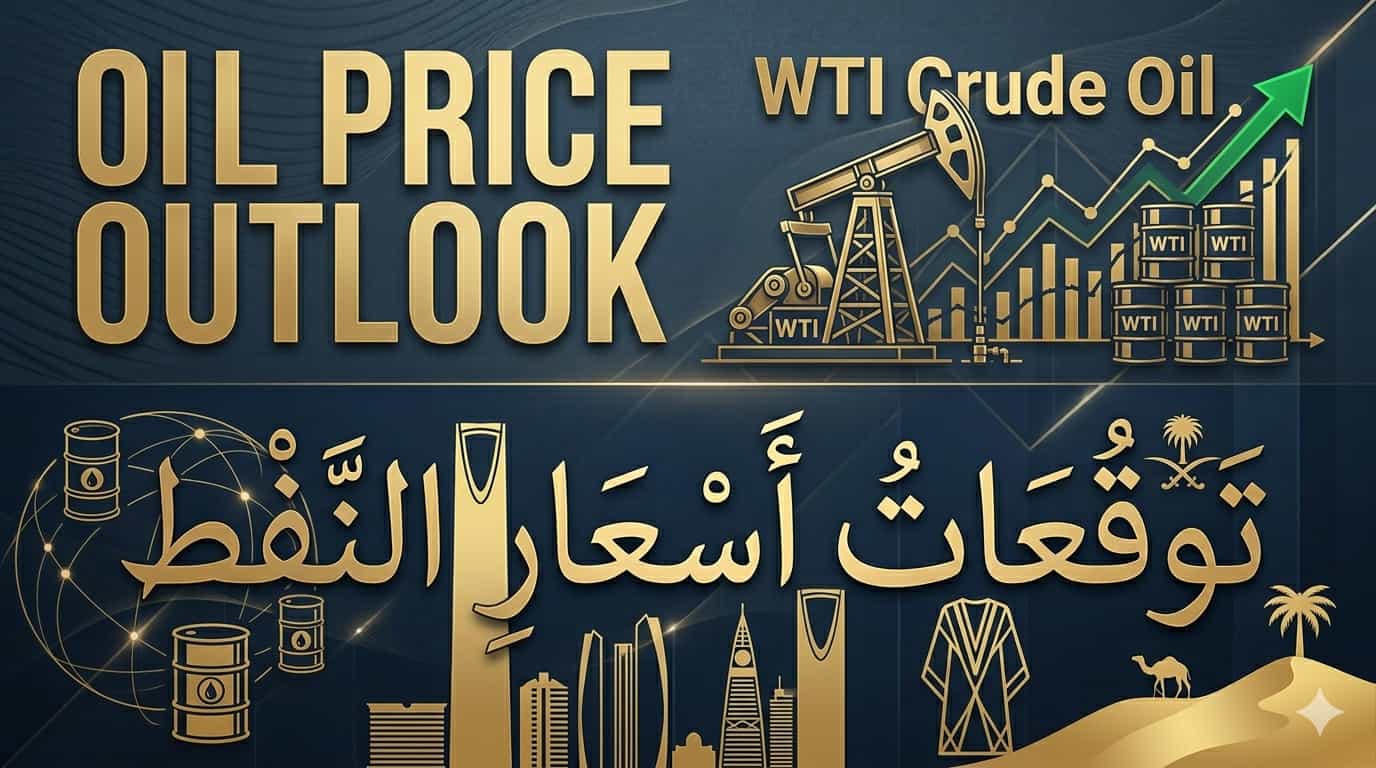
Oil Price Outlook: The global oil market has been experiencing significant fluctuations, primarily driven by supply disruptions in key producing countries.

Market Performance Overview: As we delve into the current state of financial markets in Q1 2026, notable developments have emerged regarding the performance of the S&P 500, the ongoing earnings season, and the sentiment surrounding cryptos.
Apple (AAPL) stock overview: Apple, as one of the most influential technology companies globally, consistently draws significant attention as it approaches its quarterly earnings report.
Surveys of economists indicate the Bank of Japan is on track to raise its benchmark interest rate to 1% by the end of June. Ongoing Middle East geopolitical tensions are bolstering expectations for aggressive rate hikes. However, increasing economic risks from soaring energy prices could delay some of these moves. The article delves into the details of these forecasts, the conflict's effect on inflation and growth, and differing expert opinions on the optimal timing for monetary tightening.
The US stock market is undergoing a dramatic transformation. As hopes for Middle East peace suppress geopolitical anxieties, US equities reached record highs on Wednesday. Previously withdrawn derivative traders are now rushing to front-run anticipations of further gains in technology stocks. With a new earnings season on the horizon and a shift in derivatives market sentiment, Wall Street is preparing for a renewed ascent. The tech-heavy Nasdaq 100 index exhibits a strong bullish trend, currently on its longest winning streak since 2019, with traders poised to chase further upside through the options market. At least one metric indicates traders' "hunger" for short-term bullish contracts, with implied volatility for 25-delta calls in the largest Nasdaq 100 ETF hitting its highest level since mid-January. Six weeks ago, the S&P 500's march to new highs was halted by joint US-Israeli strikes on Iran, forcing option traders to retreat from bullish bets. However, this backdrop has sharply reversed in recent days. Fueled by optimism that diplomatic progress will de-escalate conflict risks, US equities posted their largest weekly gain since November, and surged to a record high on Wednesday. The Nasdaq 100 has climbed for 11 consecutive days. If this momentum continues, it would mark its longest streak since 2017. Despite this rally, overall market positioning remains light, suggesting room for further risk appetite. For instance, hedge funds had been cutting their US tech holdings at the fastest pace in over five years. Trend-following systematic funds reduced their US equity exposure to levels not seen since summer 2025. However, as stocks rebound and volatility declines, these funds are re-adding positions, clearly unwilling to miss out on the next sustained rally. Valuations for mega-cap tech stocks have become more attractive relative to the broader market. The valuation premium of the 'Magnificent Seven' tech giants over other S&P 500 components has narrowed to an almost eight-year low. Goldman Sachs traders noted in a client note that the 'Magnificent Seven' appear "extremely attractive" relative to the other 493 companies, a view increasingly mentioned in client discussions as EPS earnings season progresses. The entire tech sector has seen significant valuation decompression. Both the S&P 500's Information Technology sector and the Nasdaq 100 are trading below their 10-year average forward P/E, presenting a more favorable entry point for large-cap growth stocks. The key question now is how far this US equity rally can extend if geopolitical risks continue to recede. Client conversations suggest a consensus target range of 7200-7300 for the S&P 500 in the next month, with the benchmark closing at 7023 on Wednesday.
This article delves into the legal contention surrounding the Federal Reserve Chair's succession. It explores the challenges the White House faces in appointing a successor and underscores the legal frameworks safeguarding the US central bank's autonomy. The piece also examines the historical context of these disputes and points to potential legal battles.

Discover the essential differences between gold and silver CFDs. Learn about volatility, liquidity, and the gold silver ratio to refine your trading strategy and choose the metal that fits your risk profile.

Discover the core differences between trading bonds vs. stocks via CFDs. Learn what drives price action, compare risks, and start trading on Markets.com.
Explore the top crypto trends in 2026, from regulation and stablecoins to tokenization and institutional adoption, and what they mean for investors.



