The US labor market, described as being in a 'wonderful balance,' faces disruption risks from a potential Iran war. This article delves into the challenges businesses confront with rising costs, their impact on hiring decisions, and the potential erosion of economic confidence. It also explores how individuals might adjust their labor supply, and how these interconnected factors could lead to increased unemployment, challenging the unconventional recovery path seen in recent times.
This article offers an in-depth perspective on Iran's potential strategy to secure economic and geopolitical gains from the Strait of Hormuz in the aftermath of a future conflict with the US and Israel. The analysis, drawing on expert insights, explores the possibility of establishing a waterway toll system in collaboration with Oman, inspired by the Suez Canal model. It highlights the financial and strategic benefits for Iran, including regaining legitimacy, acquiring liquidity, and enhancing its regional standing. The article also discusses the pivotal role of the US dollar in this proposed mechanism, how it could bolster petrodollar dominance, and how this mechanism could be integrated into a broader framework for regional security and settlement with GCC countries. It concludes by presenting Iran with a choice: either achieve tangible economic gains through operation or settle for symbolic victory without sustainable benefits.
The US labor market is poised for a rebound in March employment figures, buoyed by the resolution of healthcare worker strikes and a seasonal improvement in weather conditions. However, recent Middle Eastern conflicts introduce a significant layer of uncertainty, potentially dampening business confidence and affecting economic growth prospects. This analysis will delve into the key factors shaping the labor market, including past disruptions from trade policies, the ripple effects of regional conflicts on energy prices, and persistent labor supply challenges. We will also examine the short-term economic outlook and its implications for Federal Reserve policy.
This article delves into the escalating global debt crisis, highlighting how geopolitical tensions, particularly the Iran conflict, are straining government finances and limiting their ability to respond to economic shocks. It examines the historical rise of government debt, the immediate impact of potential oil supply disruptions, and the consequent pressure on fiscal policy and monetary authorities, identifying the most vulnerable economies.
This article delves into Apple's creative strategies aimed at expanding its market footprint. The company is combining aggressive supply chain tactics with the launch of its most affordable laptop to date, the MacBook Neo, targeting a nascent budget notebook segment. Simultaneously, Apple is navigating a tight memory chip market, employing premium purchasing to squeeze competitors in the smartphone space. However, significant engineering hurdles are impacting the development of its first foldable iPhone, potentially delaying its launch and affecting marketing plans.
This analysis delves into the current correction phase of the gold market, as outlined by technical analyst Jordan Roy-Byrne. It posits that gold and silver are in the nascent stages of a historic bull run, and the ongoing pullback is a normal and necessary part of this cycle. The piece revisits historical patterns of corrections following major breakouts, emphasizing the significance of the 200-day moving average as a key support level. It also explores the macro-economic backdrop, including the interplay between inflation and recession, and their impact on gold, as well as the projected role of silver in this cycle. The analysis concludes by highlighting under-allocation to gold as a catalyst for future growth and provides strategic guidance for investors preparing for the next leg of the precious metals bull market.
This analysis examines the increasing pressures on the U.S. labor market stemming from geopolitical tensions in the Middle East and an ongoing internal economic slowdown. It covers the projections for the March jobs report, a structural breakdown of various labor sectors, and the impact of rising energy prices on consumption and hiring. The report also discusses the challenges facing the Federal Reserve amidst a potential 'stagflation' scenario, offering a holistic view of accumulating risks and market outlook.

Market Performance Overview: As we delve into the current state of financial markets in Q1 2026, notable developments have emerged regarding the performance of the S&P 500, the ongoing earnings season, and the sentiment surrounding cryptos.

Apple (AAPL) stock overview: Apple, as one of the most influential technology companies globally, consistently draws significant attention as it approaches its quarterly earnings report.

Crypto market outlook: The financial landscape of the African continent is undergoing a radical transformation, with South Africa emerging as the undisputed powerhouse of digital asset adoption.

BTC, ETH, XRP: As of April 2026, the cryptocurrency landscape has shifted from a speculative "wild west" into a sophisticated, institutional-grade financial sector.

Best crypto brokers in South Africa (2026): following the Financial Sector Conduct Authority (FSCA) decision to classify crypto assets as financial products, South Africa has become one of the most structured and secure environments for digital asset trading in the world.
This article delves into Iran's declared intent to oversee maritime traffic in the Strait of Hormuz, even after potential conflicts, while asserting that passage will not be restricted. It critically examines the legal basis of this claim, contrasting it with analogous international waterways, and highlights the significant challenges posed by international sanctions and regional skepticism. The piece underscores the Strait's pivotal role in global energy markets and Iran's strategic leverage through its control.
This analysis provides an in-depth review of key global market movements over the past week, emphasizing the impact of geopolitical tensions, particularly in the Middle East, on various assets such as the US dollar, gold, oil, and equities. The article also covers insights from leading financial institutions on future market trends and highlights significant developments in the technology sector, including OpenAI's funding, SpaceX's IPO plans, Anthropic's news, and the performance of electric vehicle companies like Tesla. It further delves into US monetary policy decisions, tariff adjustments, and the role of macroeconomic factors like inflation and interest rate expectations.
Tesla's stock experienced a significant drop of over 5% on Thursday, marking its largest single-day decline this year. This downturn followed the company's release of its first-quarter delivery and production report, which showed a decrease compared to the previous quarter, despite modest year-over-year growth. The decline occurs amidst escalating global competition, the impact of canceled tax credits, and a shift in the company's focus towards future ventures like robotics and autonomous driving.

Can you survive a black swan event? Explore historical examples and get a step-by-step checklist to protect your portfolio from unpredictable market crashes.

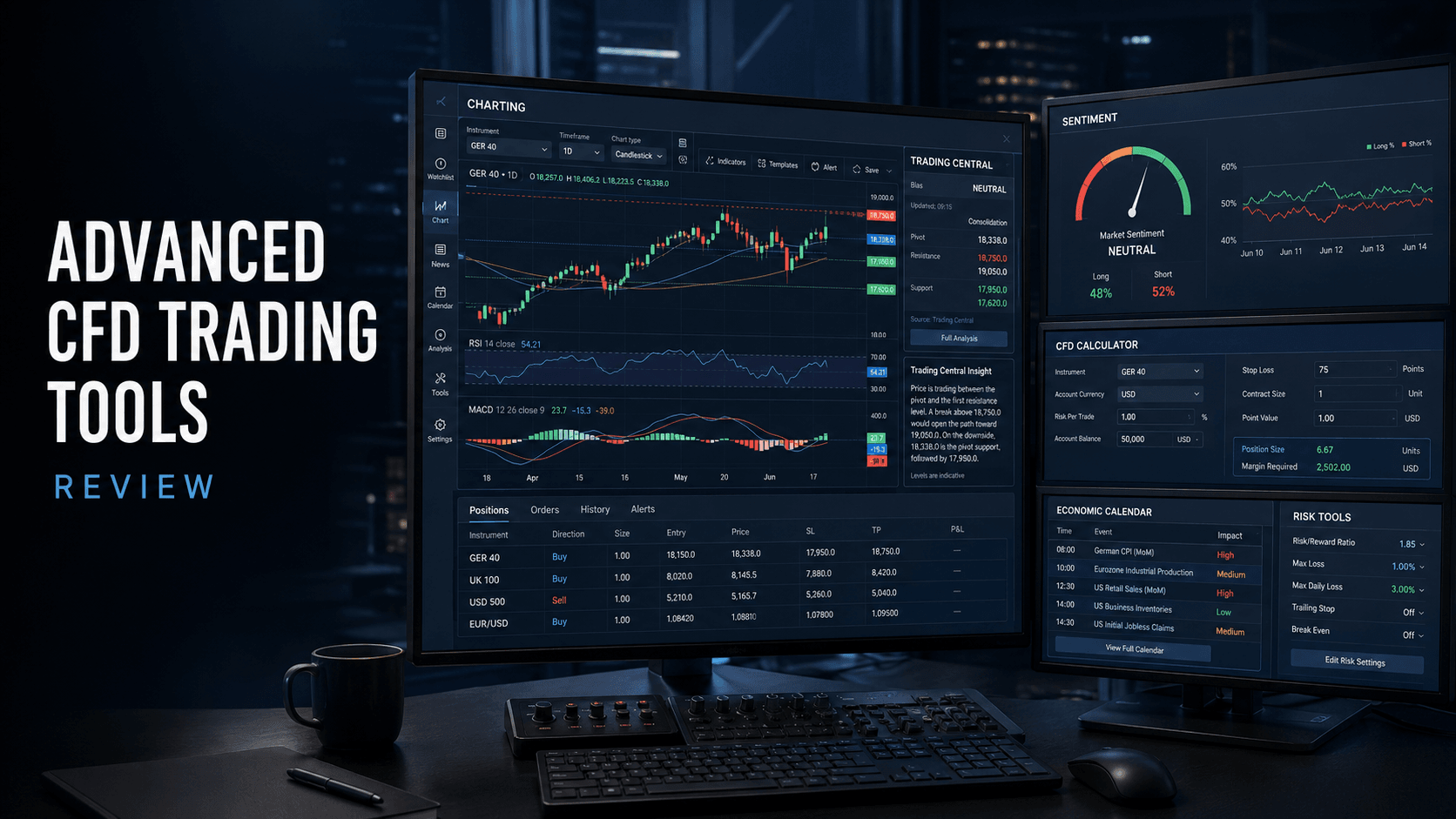
Learn how to use AI in trading with practical strategies, predictive tools, sentiment analysis, algorithmic trading insights, and key risks for stock and CFD trading.

How to Trade Bitcoin (BTC/USD) CFDs in South Africa: As digital currencies continue to gain traction globally, Bitcoin remains at the forefront of this financial revolution.