During a congressional hearing, Brett Matsumoto, nominee to lead the US Bureau of Labor Statistics (BLS), unequivocally denied any data manipulation within the agency. He pledged to uphold the agency's professional independence and ensure data is released "under the law." Matsumoto also underscored critical challenges facing the BLS, including insufficient funding and declining respondent participation, which threaten the reliability of economic statistics. He outlined a strategic plan to address these issues, proposing incentives for respondents, integrating additional data sources, and exploring the use of artificial intelligence, emphasizing that "decisions will be based on science, not politics."
This article delves into the implications of the impending public offerings by tech giants SpaceX, OpenAI, and Anthropic. The analysis highlights potential funding sources for these massive IPOs and how these moves could significantly reshape capital allocation within the technology sector. Focusing on the strategic aspects of SpaceX's AI ventures and the Starship project, alongside broader impacts for investors and retail shareholders, the piece offers insights into evolving capital market dynamics.
This article delves into recent high-level diplomatic meetings between the United Arab Emirates and Iran, marking a significant pivot in their bilateral relations. Amidst escalating regional tensions, both nations are increasingly recognizing the imperative to de-escalate confrontation and foster stability. The piece examines the economic and security drivers behind this rapprochement, its impact on the UAE's ambitious investment plans, and Iran's crucial role as a trade partner. It also addresses persistent challenges, including UAE demands for the Strait of Hormuz and war reparations, and disagreements over Iran's nuclear program and ballistic missile development. Ultimately, the article underscores the strategic importance of diplomatic dialogue in achieving regional security and prosperity.
This article delves into the significant shifts occurring in maritime shipping routes around the Strait of Hormuz, driven by escalating geopolitical tensions. These circumstances have led many vessels, particularly oil tankers, to utilize a high-risk route near the coast of Oman, thereby increasing the likelihood of collision incidents. The article highlights the role played by the United States in providing aerial cover for these routes and details the new coordination mechanisms established to facilitate vessel passage. It also examines the challenges posed by these alternative routes, such as narrow waterways and the necessity of disabling GPS signals to avoid detection by Iranian forces, a practice known as 'blind flying.' The article further discusses the economic implications of these changes, including reduced global oil supplies and their impact on oil prices, as well as innovative solutions like at-sea transshipment. Finally, it touches upon efforts to curb Iranian oil exports and the reciprocal actions taken by US and Iranian forces in the region, reflecting the dynamic and complex nature of maritime security in the Strait of Hormuz.
The World Bank has revised its global economic growth forecast downwards to 2.5% for 2026, citing the impact of the ongoing conflict in the Middle East. The report highlights the risk of growth falling to 1.3% if energy supply disruptions escalate and lead to significant financial market turmoil. This projection reflects a slowdown for two-thirds of countries, particularly energy exporters. The conflict has already driven up oil prices, reignited inflation concerns, and spurred expectations of tighter monetary policy globally, while also raising the specter of a food crisis. The World Bank outlines various scenarios, stressing that the cumulative effects of geopolitical instability, high inflation, and rising interest rates are weakening global economic resilience. The report also details the diverging economic performance among nations, with emerging economies facing a more challenging outlook, and specific regions like the Middle East and North Africa experiencing significant downturns.
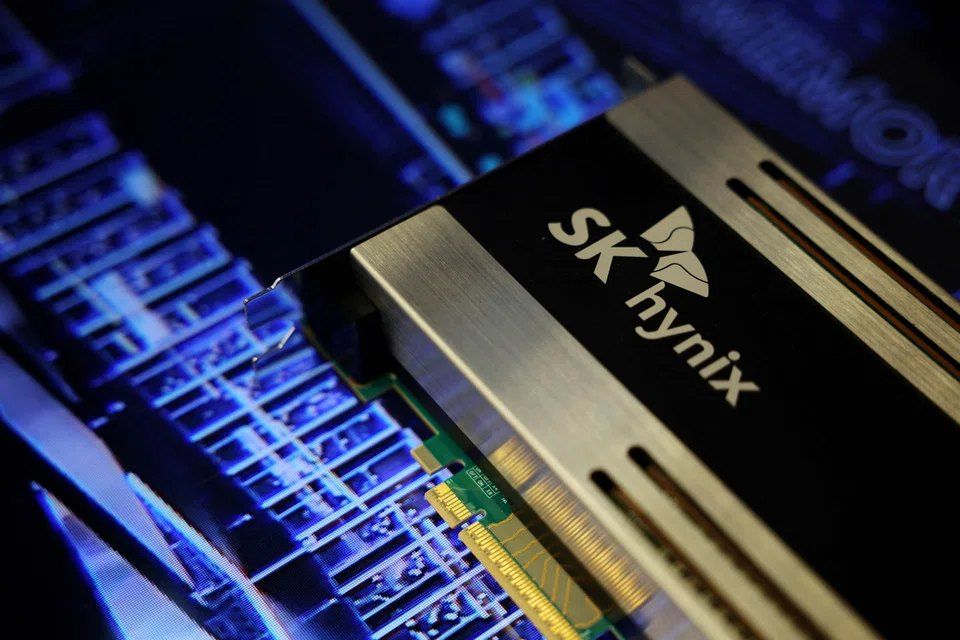
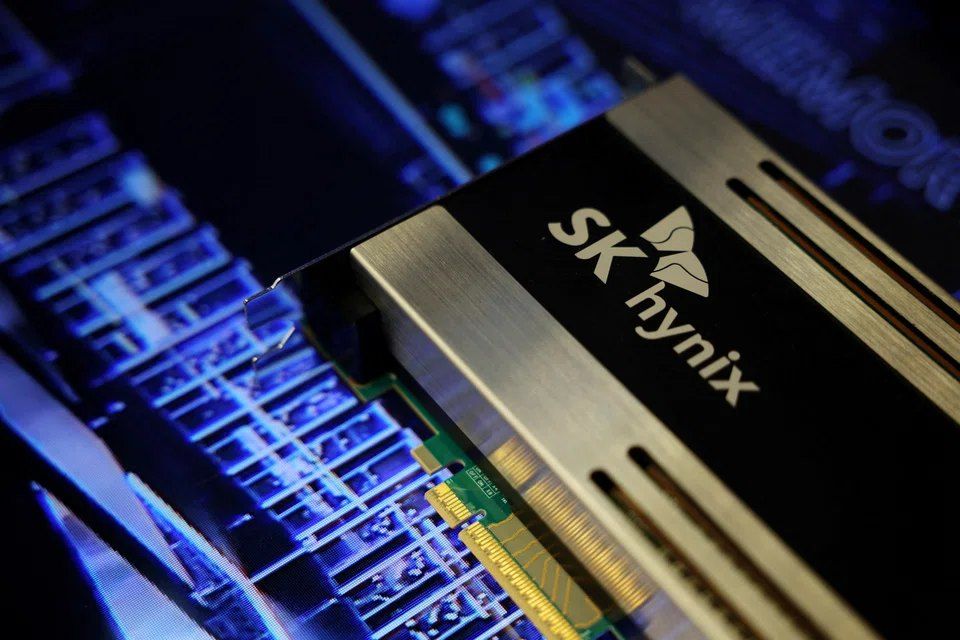
SK Hynix is strategically repositioning its next-generation NAND flash memory development, shifting the competitive focus from merely increasing layer counts to fundamental material upgrades. The company plans to commence mass production of 375-layer 3D NAND by the end of the year, marking a significant technological advancement. This move involves integrating molybdenum (Mo) to replace some tungsten (W) in the word lines, a critical step to overcome the resistance limitations inherent in higher-layer structures. This material innovation is driven by the burgeoning demand for AI storage, which necessitates faster data processing and lower power consumption. With competitors like Samsung already incorporating molybdenum, SK Hynix's pursuit of material superiority in high-layer NAND is a crucial element in its roadmap, aiming to ensure performance, power efficiency, and reliability as they continue to push towards 604-layer designs.
The latest Producer Price Index (PPI) data from the US Bureau of Labor Statistics shows a sharper-than-expected rise in wholesale prices for May, indicating escalating inflationary pressures at the upstream level of the supply chain. Energy costs, particularly gasoline, were the dominant driver of this surge. This development is expected to keep the Federal Reserve on hold with interest rates in the near term, while significantly reducing the likelihood of rate cuts this year, with some market participants even anticipating a potential rate hike. This contrasts with the European Central Bank's recent tightening move.
The European Central Bank is widely expected to raise interest rates to combat resurgent inflation, fueled by rising energy prices stemming from the Iran conflict. This move comes as the Eurozone economy grapples with sluggish growth, leading to a debate among economists about the efficacy of tighter monetary policy. This article delves into market expectations, the central bank's motivations, internal divisions, and potential economic ramifications.
Amidst escalating military confrontations, reports indicate a push for negotiations between the US and Iran, aiming for a temporary agreement to end hostilities, with the core issue being the unfreezing of Iranian assets abroad. However, Tehran has subsequently denied engaging in direct talks with Washington. Experts highlight that Iran's primary objective is economic relief and liquidity, rather than a comprehensive resolution. Significant divergences exist regarding the amount and mechanisms for releasing funds, with Iran seeking an immediate and substantial sum, while the US prefers phased releases earmarked for humanitarian aid. Analysts suggest the current military stalemate is a strong catalyst for diplomacy, though the risk of full-scale conflict remains. President Trump seeks a deal superior to the 2015 JCPOA, from which his administration withdrew. This article explores the complexities of these negotiations, their underlying motivations, and the challenges confronting both parties.
The upcoming Group of Seven (G7) summit in France is poised to become a critical juncture for European powers seeking to reignite peace negotiations between Russia and Ukraine. Informed sources reveal that leaders from the UK, France, and Germany plan to use their upcoming meeting with U.S. President Trump to garner American support for a new round of talks. This strategic push is underpinned by an assessment that the current military situation favors Ukraine, presenting an opportune moment to break the existing framework established after the 2023 Anchorage summit between Presidents Trump and Putin. The tripartite proposal advocates for an immediate ceasefire, with the current frontlines serving as the starting point for subsequent negotiations, coupled with strong security guarantees for Ukraine, potentially including the deployment of multinational forces. This stance was clearly articulated in a joint statement following a meeting with Ukrainian President Volodymyr Zelensky. However, Russia's position remains resolute. President Putin has explicitly opposed a pre-negotiation ceasefire, viewing it as a tactic to allow Ukraine time to regroup, and has rejected the notion of European troops entering Ukraine. He also insists on Ukrainian territorial concessions in the Donetsk region, areas not fully controlled by Russian forces since 2014, a demand vehemently rejected by Kyiv. While some European officials express pessimism about a quick resolution due to the profound divergences, the broader context of the conflict, now in its fifth year since the full-scale escalation in February 2022, shows limited Russian battlefield advances and mounting costs. Russia's economy has found some buffer from elevated oil prices, yet overall pressure persists. Concurrently, Ukraine continues to target Russian infrastructure, particularly oil refineries and defense-related enterprises, with attacks penetrating deeper into Russian territory and directly impacting its domestic environment. As the U.S. shifts focus to conflicts in the Middle East, slowing its diplomatic pace, Europe sees an expanded role for itself. The UK, France, and Germany aim to amplify pressure on Russia with Trump's backing, hoping to convene a multilateral meeting involving Europe, the U.S., Ukraine, and Russia as early as next month. In parallel to diplomatic efforts, the UK and the EU are contemplating further sanctions against Russia, planned for release in the coming weeks, though these remain under discussion. Security-wise, Europe seeks to avoid a repeat of last winter's energy infrastructure attacks. Official responses from the German and French governments and the UK government have been restrained, with no immediate comments provided.
In a strategic pivot, major AI players OpenAI and Anthropic are reportedly contemplating significant price reductions for their token-based services. This move comes as enterprise clients increasingly scrutinize the mounting costs associated with integrating AI into their core operations. Simultaneously, both companies are making strides towards public offerings, signaling a dynamic competitive landscape and a race to capture market share and investor confidence.
In a significant policy shift, the European Central Bank has raised its key interest rate by 25 basis points, marking its first such move in nearly three years. This decision comes in response to escalating geopolitical tensions, particularly the disruption of oil flows through the Strait of Hormuz, which has propelled crude oil prices and contributed to a sharp rise in Eurozone inflation. The ECB's move positions it as the first major developed economy central bank to tighten policy in the current inflationary environment. Analysts view this as a proactive 'insurance' measure to signal a firm stance against a recurrence of last year's runaway inflation, aiming to bolster confidence among households and businesses. However, the ECB faces a complex challenge: balancing the imperative to curb inflation with the risk of pushing a fragile economy into recession.
With SpaceX on the cusp of its highly anticipated Initial Public Offering (IPO), significant market divergence is emerging regarding its ambitious $1.75 trillion valuation. Prominent short-seller Jim Chanos has voiced strong skepticism about the foundations supporting this valuation, suggesting it relies more on "hope and dreams" than on tangible metrics. Chanos argues that grand narratives, such as Mars colonization, underground tunnel networks, and space-based data centers, are being used to justify the valuation, noting that such projections are more palatable in bull markets than in bear markets. While many investors are adopting a cautious, wait-and-see approach, partly due to the high-risk environment of shorting major tech companies, comparisons to past experiences, like Tesla, underscore the potential volatility. Chanos also criticizes the data center industry, deeming it a "bad business" due to low capital returns and pricing power limitations, further complicating the investment landscape surrounding these high-profile offerings.

SpaceX officially lists on Friday at a historic $1.77 trillion valuation. Discover the market implications, valuation debates, and passive flow risks of this landmark Nasdaq debut.

EUR/JPY holds near 185.50 as traders watch whether the euro-yen cross can clear 186.21 resistance and sustain its upward channel.

Spot gold prices rebounded to $4,240 on June 12 after hitting a six-month low below $4,200. Explore the impacts of US-Iran geopolitical de-escalation, inflation data, and Fed rate expectations.
This article delves into the Bank of Canada's recent decision to hold its key interest rate at 2.25% for the fifth consecutive time, a move aligning with market expectations. It highlights the dual challenge confronting the bank: combating inflation fueled by elevated global oil prices while supporting a fragile economic expansion. The piece discusses Governor Macklem's remarks on the trade-off between raising rates to curb inflation and lowering them to bolster growth, emphasizing the flexibility of future policy responses to economic and geopolitical shifts like U.S. trade policies and Middle East conflicts.
The US Bureau of Labor Statistics reported that the Consumer Price Index (CPI-U) for All Urban Consumers rose 0.5% in May on a seasonally adjusted basis, primarily due to higher energy prices. The 12-month increase for the overall CPI reached 4.2%. Core CPI, excluding food and energy, saw a more moderate monthly increase of 0.2% and a 2.9% year-over-year rise. Food prices also edged up, while some components like motor vehicle insurance and new cars declined.
This article delves into the anticipation surrounding the May US Consumer Price Index (CPI) report, which is expected to signal a further uptick in inflation. The surge in energy prices, exacerbated by geopolitical tensions, is identified as a primary catalyst. The analysis explores how these price pressures are broadening across the economy and the role of government policies. Furthermore, it examines the critical implications of the CPI data for the Federal Reserve's monetary policy decisions and the growing market sentiment towards potential interest rate hikes.
The latest US Consumer Price Index (CPI) data for May revealed a significant acceleration in headline inflation, rising 4.2% year-on-year, the fastest pace since April 2023. In contrast, core inflation, excluding food and energy, demonstrated greater resilience, increasing by a modest 0.2% month-on-month. This brought the 12-month core CPI rate to 2.9%. The data signals increasing pressure on households, with consumers dipping into savings to cover expenses. Furthermore, inflation outpacing wage growth for a second consecutive month could hinder overall economic expansion. The surge in living costs presents a considerable political burden for the incumbent administration as they vie for congressional control in the November midterms. Elevated energy prices, particularly for gasoline and fuel oil, are attributed to geopolitical tensions and strained global supply chains. Market expectations lean towards the Federal Reserve holding interest rates steady at its upcoming meeting, with focus shifting to whether the central bank will signal a move from an easing bias to a neutral or tightening stance.