Spot gold prices rallied 2% to $4,304.11 on June 15 following news of a US-Iran peace framework. Learn how falling oil prices and shifting Fed rate odds impact precious metals.

Oil prices fell after a reported U.S.-Iran ceasefire eased Strait of Hormuz supply fears, but energy trade may take months to normalise.
Events in mid-March reveal Qatar's complex maneuvering to safeguard its economic lifeline, including alleged attempts to negotiate with Iran to protect its vital natural gas facilities. This highlights the precarious position of Gulf states amidst heightened regional tensions.
This article explores Lebanon's pivotal role in regional strategies, particularly Iran's endeavors to maintain its influence amidst US-led negotiations aimed at resolving the conflict with Israel. It highlights conflicting demands, political deadlock, and the challenges Lebanon faces in its quest for national sovereignty.
This analysis provides a detailed overview of global financial market performance, focusing on fluctuations in the US dollar, gold, and oil prices, as well as the performance of US and South Korean equities. It delves into the impact of geopolitical events, such as developments in the Iran situation, and economic data like rising US inflation, on central bank decisions. Significant IPOs, like SpaceX, and their influence on the tech market are also discussed. The report concludes with perspectives from major financial institutions on economic forecasts and interest rates, aiming to offer strategic insights for investors and traders.
The Bank of Japan is set for a pivotal policy meeting, but Governor Kazuo Ueda's sudden hospitalization introduces an element of unpredictability to policy communication. Markets are largely pricing in a 25 basis point interest rate hike to 1%, a significant level for Japan. The substitution of Deputy Governor Shinichi Uchida for press conferences raises market sensitivity to nuanced language, which could significantly impact the yen and Japanese Government Bond yields. Facing potential imported inflation and domestic fiscal pressures, the BoJ must carefully navigate its path towards policy normalization.
The current weekend is poised to be a critical juncture, with intense speculation surrounding a potential US-Iran agreement, coinciding with significant political events for President Trump. This analysis delves into the details of a leaked draft memorandum, examines the divergent reactions, the strategic motivations behind Trump's high-pressure tactics, and the broader implications for international relations and the global economy, especially with the upcoming G7 summit.
This article examines the multifaceted dimensions of US threats to capture Kharg Island, a vital Iranian oil export terminal. It discusses the feasibility of such an operation and its potential impact on the US-Iran conflict, alongside expert military analysis.
A notable divergence in risk perception is emerging between the United States and Europe concerning NATO's security posture and US military deployments. While the US emphasizes continued deterrence effectiveness, some European nations express concern that military force reductions could destabilize the region. US European Command head Alexus G. Grynkewich believes Russia is not seeking conflict, but Baltic states worry about weakened deterrence. These adjustments align with a broader US strategic pivot towards Asia, prompting NATO to develop contingency plans.
The Strait of Hormuz has witnessed significant shifts in its shipping patterns since early June, with a notable rise in crude oil volumes from non-Iranian producing nations, while Iranian oil transit has come to a virtual standstill. This divergence is attributed to the ongoing impact of U.S. sanctions and complex regional geopolitical developments, including the increasing use of 'blind flying' (disabling AIS signals) by vessels as a precautionary measure. While these changes have not caused the dramatic market volatility seen in earlier conflicts, ongoing U.S. escort operations and continuous monitoring by allied forces remain critical to securing vital energy transit routes.
This article delves into the rising US-Iran tensions, focusing on the dispute over frozen Iranian assets and their role as leverage and bargaining chips. It details US Treasury Secretary's warnings regarding the use of these funds to compensate US allies in the Gulf for any damages incurred, contrasted with Iran's rejection of such use and its demand for asset repatriation. The piece also highlights the critical importance of the Strait of Hormuz as an energy lifeline and the impact of regional instability on global markets, referencing traditional US strategies against Iran.
During a congressional hearing, Brett Matsumoto, nominee to lead the US Bureau of Labor Statistics (BLS), unequivocally denied any data manipulation within the agency. He pledged to uphold the agency's professional independence and ensure data is released "under the law." Matsumoto also underscored critical challenges facing the BLS, including insufficient funding and declining respondent participation, which threaten the reliability of economic statistics. He outlined a strategic plan to address these issues, proposing incentives for respondents, integrating additional data sources, and exploring the use of artificial intelligence, emphasizing that "decisions will be based on science, not politics."
This article delves into the implications of the impending public offerings by tech giants SpaceX, OpenAI, and Anthropic. The analysis highlights potential funding sources for these massive IPOs and how these moves could significantly reshape capital allocation within the technology sector. Focusing on the strategic aspects of SpaceX's AI ventures and the Starship project, alongside broader impacts for investors and retail shareholders, the piece offers insights into evolving capital market dynamics.
This article delves into recent high-level diplomatic meetings between the United Arab Emirates and Iran, marking a significant pivot in their bilateral relations. Amidst escalating regional tensions, both nations are increasingly recognizing the imperative to de-escalate confrontation and foster stability. The piece examines the economic and security drivers behind this rapprochement, its impact on the UAE's ambitious investment plans, and Iran's crucial role as a trade partner. It also addresses persistent challenges, including UAE demands for the Strait of Hormuz and war reparations, and disagreements over Iran's nuclear program and ballistic missile development. Ultimately, the article underscores the strategic importance of diplomatic dialogue in achieving regional security and prosperity.
This article delves into the significant shifts occurring in maritime shipping routes around the Strait of Hormuz, driven by escalating geopolitical tensions. These circumstances have led many vessels, particularly oil tankers, to utilize a high-risk route near the coast of Oman, thereby increasing the likelihood of collision incidents. The article highlights the role played by the United States in providing aerial cover for these routes and details the new coordination mechanisms established to facilitate vessel passage. It also examines the challenges posed by these alternative routes, such as narrow waterways and the necessity of disabling GPS signals to avoid detection by Iranian forces, a practice known as 'blind flying.' The article further discusses the economic implications of these changes, including reduced global oil supplies and their impact on oil prices, as well as innovative solutions like at-sea transshipment. Finally, it touches upon efforts to curb Iranian oil exports and the reciprocal actions taken by US and Iranian forces in the region, reflecting the dynamic and complex nature of maritime security in the Strait of Hormuz.
The World Bank has revised its global economic growth forecast downwards to 2.5% for 2026, citing the impact of the ongoing conflict in the Middle East. The report highlights the risk of growth falling to 1.3% if energy supply disruptions escalate and lead to significant financial market turmoil. This projection reflects a slowdown for two-thirds of countries, particularly energy exporters. The conflict has already driven up oil prices, reignited inflation concerns, and spurred expectations of tighter monetary policy globally, while also raising the specter of a food crisis. The World Bank outlines various scenarios, stressing that the cumulative effects of geopolitical instability, high inflation, and rising interest rates are weakening global economic resilience. The report also details the diverging economic performance among nations, with emerging economies facing a more challenging outlook, and specific regions like the Middle East and North Africa experiencing significant downturns.
SK Hynix is strategically repositioning its next-generation NAND flash memory development, shifting the competitive focus from merely increasing layer counts to fundamental material upgrades. The company plans to commence mass production of 375-layer 3D NAND by the end of the year, marking a significant technological advancement. This move involves integrating molybdenum (Mo) to replace some tungsten (W) in the word lines, a critical step to overcome the resistance limitations inherent in higher-layer structures. This material innovation is driven by the burgeoning demand for AI storage, which necessitates faster data processing and lower power consumption. With competitors like Samsung already incorporating molybdenum, SK Hynix's pursuit of material superiority in high-layer NAND is a crucial element in its roadmap, aiming to ensure performance, power efficiency, and reliability as they continue to push towards 604-layer designs.
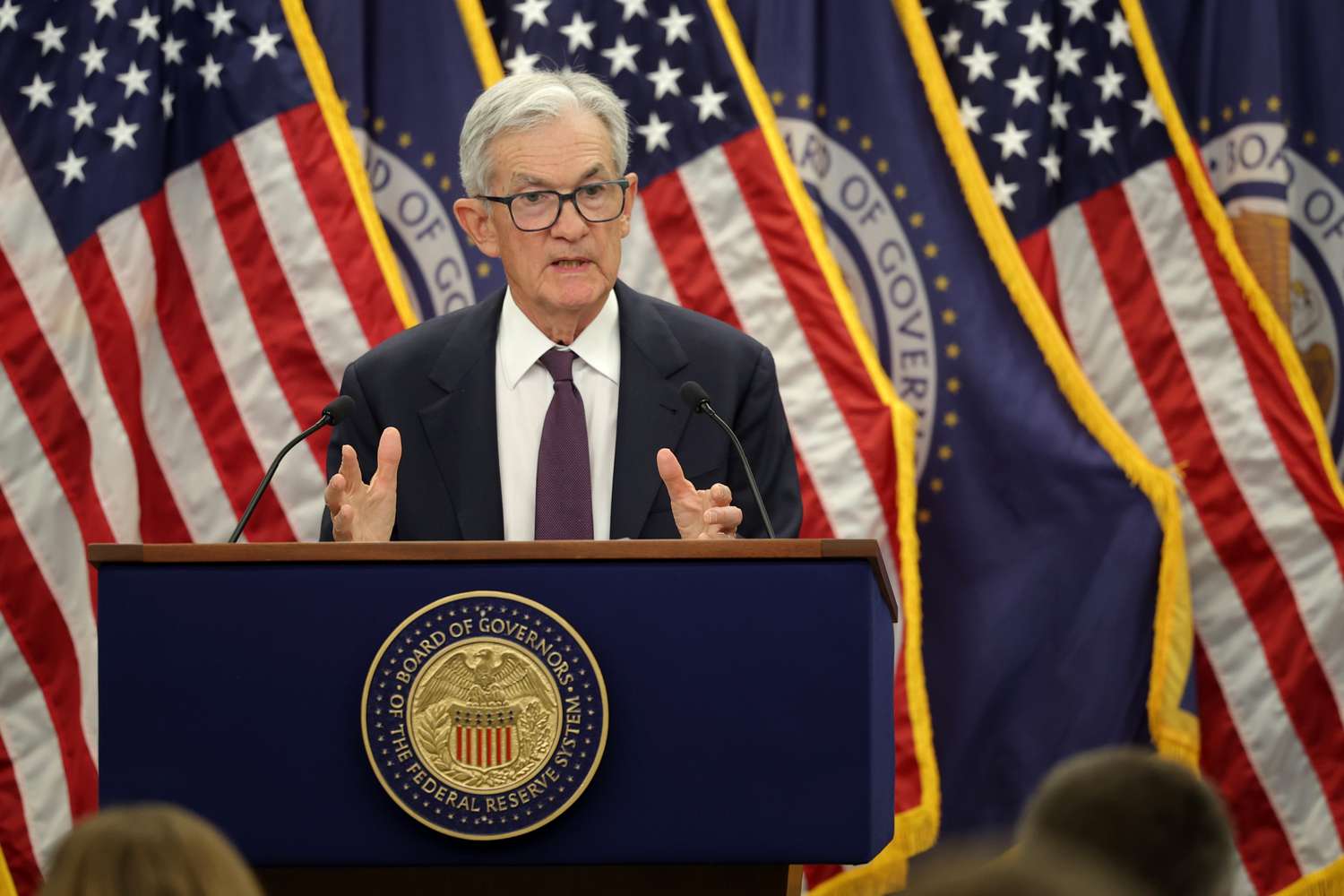
The latest Producer Price Index (PPI) data from the US Bureau of Labor Statistics shows a sharper-than-expected rise in wholesale prices for May, indicating escalating inflationary pressures at the upstream level of the supply chain. Energy costs, particularly gasoline, were the dominant driver of this surge. This development is expected to keep the Federal Reserve on hold with interest rates in the near term, while significantly reducing the likelihood of rate cuts this year, with some market participants even anticipating a potential rate hike. This contrasts with the European Central Bank's recent tightening move.
The European Central Bank is widely expected to raise interest rates to combat resurgent inflation, fueled by rising energy prices stemming from the Iran conflict. This move comes as the Eurozone economy grapples with sluggish growth, leading to a debate among economists about the efficacy of tighter monetary policy. This article delves into market expectations, the central bank's motivations, internal divisions, and potential economic ramifications.
Amidst escalating military confrontations, reports indicate a push for negotiations between the US and Iran, aiming for a temporary agreement to end hostilities, with the core issue being the unfreezing of Iranian assets abroad. However, Tehran has subsequently denied engaging in direct talks with Washington. Experts highlight that Iran's primary objective is economic relief and liquidity, rather than a comprehensive resolution. Significant divergences exist regarding the amount and mechanisms for releasing funds, with Iran seeking an immediate and substantial sum, while the US prefers phased releases earmarked for humanitarian aid. Analysts suggest the current military stalemate is a strong catalyst for diplomacy, though the risk of full-scale conflict remains. President Trump seeks a deal superior to the 2015 JCPOA, from which his administration withdrew. This article explores the complexities of these negotiations, their underlying motivations, and the challenges confronting both parties.