This article delves into the escalating challenges faced by the Federal Reserve in achieving its 2% inflation target, as repeated efforts have been disrupted by unforeseen global events. It highlights how recent geopolitical conflicts, especially disturbances in the Middle East, are impacting energy and commodity prices, thereby delaying the prospect of interest rate cuts. Experts discuss how this situation is forcing officials to reassess their projections for the future path of interest rates, focusing on key turning points in policy statements, quarterly projections, and press conferences. The article also explores the impact of oil market volatility on policy decisions, historical comparisons, the difficulty in disentangling the effects of multiple economic shocks, and their implications for the labor market. It concludes by examining the Fed's capacity to navigate this crisis and the challenges it faces in securing public confidence in its long-term inflation control capabilities.
Belgian Prime Minister Alexander De Croo has ignited a significant debate within the European Union by advocating for the normalization of relations with Russia to secure more affordable energy. This stance directly confronts the EU's prevailing strategy of unwavering support for Ukraine amidst the ongoing conflict. De Croo asserts that many European leaders privately share his view, suggesting an underlying divergence from the public's unified front. His remarks highlight concerns over the economic burden of current energy policies and the perceived ineffectiveness of sanctions without stronger international coordination. The Belgian Foreign Minister has countered, emphasizing the crucial distinction between dialogue and normalization, and warning against signaling weakness to Russia. The EU's energy commissioner has reiterated the bloc's commitment to phasing out Russian energy imports, underscoring the complex geopolitical and economic landscape.
Amidst recent geopolitical turbulence, particularly the conflict in the Middle East, the carry trade strategy within the global foreign exchange market, a massive $9.5 trillion daily arena, has experienced a notable resurgence. This strategy, which involves borrowing in low-interest-rate currencies and investing in high-interest-rate ones, is benefiting from rising oil prices and supportive economic factors in certain currencies. Despite the volatility witnessed in equity and bond markets, carry trades have managed to deliver robust returns, with some segments achieving their best performance in three years. This remarkable performance is primarily attributed to the increasing role of commodities, especially oil and gas, in bolstering associated currencies. Structural factors such as strong economic growth and relatively higher interest rate policies in emerging markets are underpinning this strategy, with the Japanese yen's continued weakness serving as a preferred funding currency. However, the duration of the conflict and the risks associated with geopolitical volatility remain critical determinants for the sustainability of these gains.
New intelligence reports suggest President Donald Trump was aware of the high probability that Iran would retaliate against US allied nations in the Gulf in response to potential strikes. This information contradicts Trump's recent statements describing Iran's reaction as 'unexpected and surprising.'
This article examines the growing role of Yemen's Houthis as a strategic partner for Iran, particularly in the context of regional escalation tied to the Gaza war. It delves into the strategic assessments made by the Houthis, their potential motivations for direct military engagement, and their influence in pressuring vital shipping lanes like the Bab al-Mandeb Strait. The article also discusses the challenges faced by the Houthis, their independent strategic decision-making, contrasting it with a proxy role, and considering the domestic and regional ramifications of their choices.
This analysis delves into the potential impact of the Iran conflict and the subsequent surge in oil prices on the US stock market. While concerns about inflation and economic slowdown loom, historical data and fundamental analysis suggest the market may absorb the shock without a significant collapse. Experts highlight strong underlying fundamentals and anticipate a gradual, resilient path forward.
In his first foreign policy pronouncements since assuming leadership, Iran's new Supreme Leader, Ayatollah Mojtaba Khamenei, has rejected any proposals for de-escalation or ceasefire with the United States and Israel, demanding they "kneel and admit defeat" and pay reparations. These strong demands come amidst escalating conflict now in its third week, with over 2,000 fatalities and the continued blockade of the Strait of Hormuz exacerbating global economic concerns. Meanwhile, conflicting reports emerge regarding the new leader's health, with some sources suggesting he was transported to Moscow for urgent medical treatment following an airstrike injury, while Iranian officials deny this. Doubts are also rising about his leadership capabilities, shrouded by the ambiguity surrounding his first official statement, which is believed to have been drafted by another official. These developments signal a new phase of hardline confrontation in the region.
A short-term options trade linked to the Secured Overnight Financing Rate (SOFR) has yielded a remarkable $10 million profit, propelled by the recent surge in oil prices and a recalibration of market expectations regarding the Federal Reserve's monetary tightening path. Established in January, the trade was predicated on the view that interest rates would be higher by mid-2028 than previously anticipated. Amid escalating geopolitical tensions and renewed inflation concerns, movements in oil prices transformed this speculative bet into a profitable reality, showcasing the intricate interplay between energy markets and central bank policies.
Cuba faces a severe economic downturn due to a US oil blockade, resulting in widespread blackouts and social unrest. US pressure is intensifying while Havana seeks diplomatic solutions, hinting at broader geopolitical maneuvers.
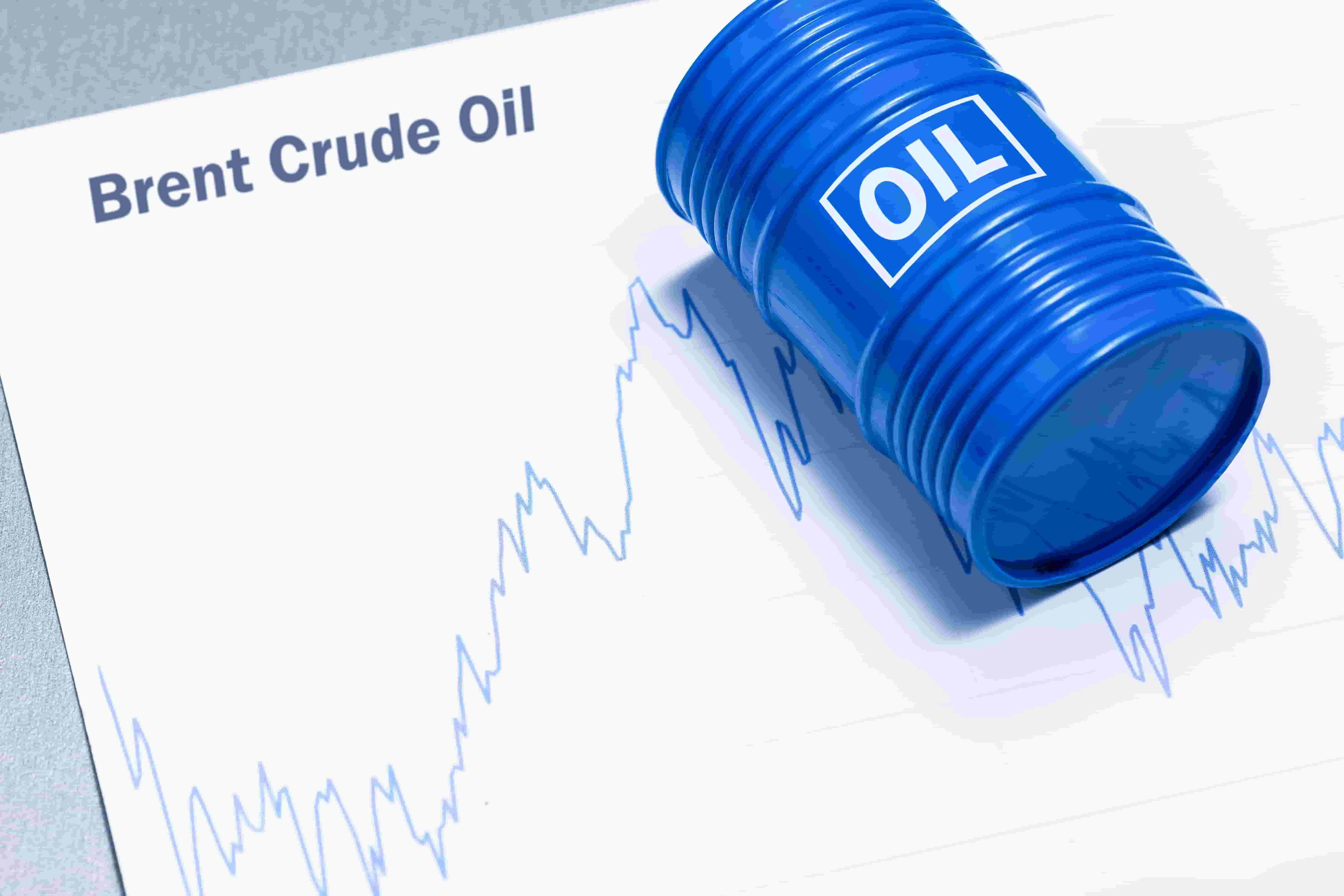
Global energy markets are experiencing extreme volatility, largely spurred by geopolitical events in the Middle East. This has attracted a surge of retail investor interest, with unprecedented inflows into oil-related Exchange Traded Funds (ETFs) like USO. This phenomenon highlights a growing appetite for risk among individual investors, albeit with echoes of past speculative frenzies and significant losses. The article delves into the drivers behind this trend, the mechanics of oil ETFs, and the associated risks, drawing comparisons to historical market cycles.
US-led peace efforts between Russia and Ukraine are reportedly at risk of stalling. This is attributed to President Trump's waning interest in the negotiations and Washington's increasing preoccupation with the conflict in the Middle East, particularly with Iran. The Kremlin appears to be leveraging this shift to its advantage, benefiting from rising oil prices and a pause in some sanctions, while Kyiv faces a rapid depletion of crucial US ammunition. European officials express deep concern, viewing the Middle East crisis as drawing political and logistical resources away from Ukraine, hindering peace progress and jeopardizing the security situation.
The confirmation process for Kevin Warsh's nomination to head the Federal Reserve is encountering substantial delays, primarily stemming from the White House's failure to submit necessary documentation. This procedural holdup is compounded by complex financial disclosure issues, reportedly linked to Warsh's familial ties to the prominent Estée Lauder family, a situation that previously impacted another high-profile financial nomination. Political headwinds are also significant, with Senator Thom Tillis signaling his intent to obstruct the nomination. While current Fed Chair Jerome Powell navigates an increasingly challenging economic landscape, analysts suggest that these delays might inadvertently benefit Warsh by shielding him from immediate scrutiny during a volatile economic period. Powell, meanwhile, is expected to continue leading the Federal Open Market Committee, bearing the brunt of responsibility for economic management amidst geopolitical tensions and supply-side shocks.
The tungsten market, a critical metal for weapons and semiconductors, is experiencing an unprecedented supply crunch. Fueled by escalating military demand and production constraints, tungsten prices have surged to record highs. This article examines the underlying causes of this crisis, its impact on global supply chains, efforts to enhance strategic mineral security, and the future market outlook.
This article examines the unprecedented pressure on the Federal Reserve's independence, detailing how legal challenges have replaced traditional political norms in protecting the central bank's autonomy. It explores the implications of presidential attempts to influence monetary policy and the role of the courts in safeguarding this crucial institutional pillar.
The Iranian Ambassador to Saudi Arabia, during a Reuters interview, stressed the urgent need for a "thorough re-evaluation" of relations between Iran and Gulf nations. This call comes in the context of the ongoing war waged by Israel and the United States in Gaza, as Iran believes that reducing external interference is the path to achieving true prosperity in the Middle East. The ambassador acknowledged realistic concerns about the war's impact on bilateral ties, emphasizing the inescapable nature of neighborly relations. He noted that the conflicts witnessed in the region over the past five decades have often stemmed from "exclusive internal practices" and "over-reliance on external powers," urging for stronger bonds between the GCC countries, Iran, and Iraq. According to the Saudi Ministry of Defense, attacks have primarily targeted the eastern regions rich in oil, Prince Sultan Air Base, and the diplomatic quarter in Riyadh. The Iranian ambassador denied any Iranian responsibility for attacks on Saudi oil infrastructure, asserting that his country exclusively targets American and Israeli interests. He confirmed that relations with Saudi Arabia are progressing naturally in many areas, expressing hope that an cessation of US and Israeli attacks would create an environment conducive to Middle East prosperity.
This article delves into how the Israeli-Iranian conflict is being leveraged as a political tool in the upcoming Israeli elections. The analysis reveals the strategies of various parties and how Netanyahu's success hinges on the war's progression. It also discusses the role of domestic divisions and economic challenges in shaping the outcome.
The report reveals intensive communications between Saudi Crown Prince Mohammed bin Salman and former US President Donald Trump during the war, with the Prince urging continued pressure on Iran. These calls align with a complex Gulf strategy that avoids direct confrontation with Tehran, despite Iranian provocations, while focusing on containing Iranian influence and supporting regional stability.
Global markets are pivoting towards new investment strategies to navigate escalating geopolitical tensions and growing concerns about stagflation. Traditional investment playbooks are being discarded, with an increasing focus on the US Dollar, Chinese equities, the Australian Dollar, and innovative hedging instruments.
Recent US economic data, including the Personal Consumption Expenditures (PCE) index, Gross Domestic Product (GDP), and consumer spending, reveal persistent challenges in taming inflation. Sustained increases in core PCE, coupled with moderating GDP growth and geopolitical risks impacting oil prices, suggest the Federal Reserve may delay interest rate cuts, impacting market expectations.
This analysis provides a comprehensive overview of the key events shaping financial markets and the global economy this week. It begins with an examination of escalating geopolitical tensions in the Gulf region and their impact on oil prices and global markets. It then moves to assess the performance of major financial markets, including the US dollar, gold, non-US currencies, and US stocks. The analysis also reviews leading financial institutions' forecasts on inflation, interest rates, and the future of oil. It concludes by highlighting significant technological developments, including advancements in AI, new product launches from major companies, and their impact on economic sectors.