This analysis explains how oil market traders are adapting to the US Strategic Petroleum Reserve release. It covers the shift from near-term to deferred contracts, the impact of geopolitical disruptions, the intricate mechanics of release and repayment, and future outlooks for supply and demand.
The US-Israel relationship during the ongoing Iran conflict is marked by close ties, particularly at the personal level between President Trump and PM Netanyahu. However, analyses reveal fundamental differences in strategic objectives and tactics, raising questions about the future and management of this complex conflict.
The Bank of Japan is widely expected to maintain its benchmark interest rate unchanged this week, as escalating oil prices complicate its efforts to achieve the 2% stable inflation target. This article delves into the factors influencing the BOJ's decision, including Middle East tensions, the yen's performance, and internal voting divisions within the Monetary Policy Committee, while exploring potential economic ramifications.
Global energy markets are experiencing extreme volatility following an Iranian strike on Gulf gas fields, sending oil and gas prices soaring and fueling inflation concerns. Geopolitical risks are escalating as Iran warns Gulf nations, while international calls grow for de-escalation and new strategies to secure vital shipping lanes.
The carry trade strategy, which involves borrowing in low-interest regions and investing in high-interest ones, is experiencing its strongest performance in three years, largely propelled by the oil price surge. While this spike disrupts other asset classes, it benefits high-yielding currencies linked to commodities. However, the strategy faces significant risks from currency volatility and geopolitical uncertainties.
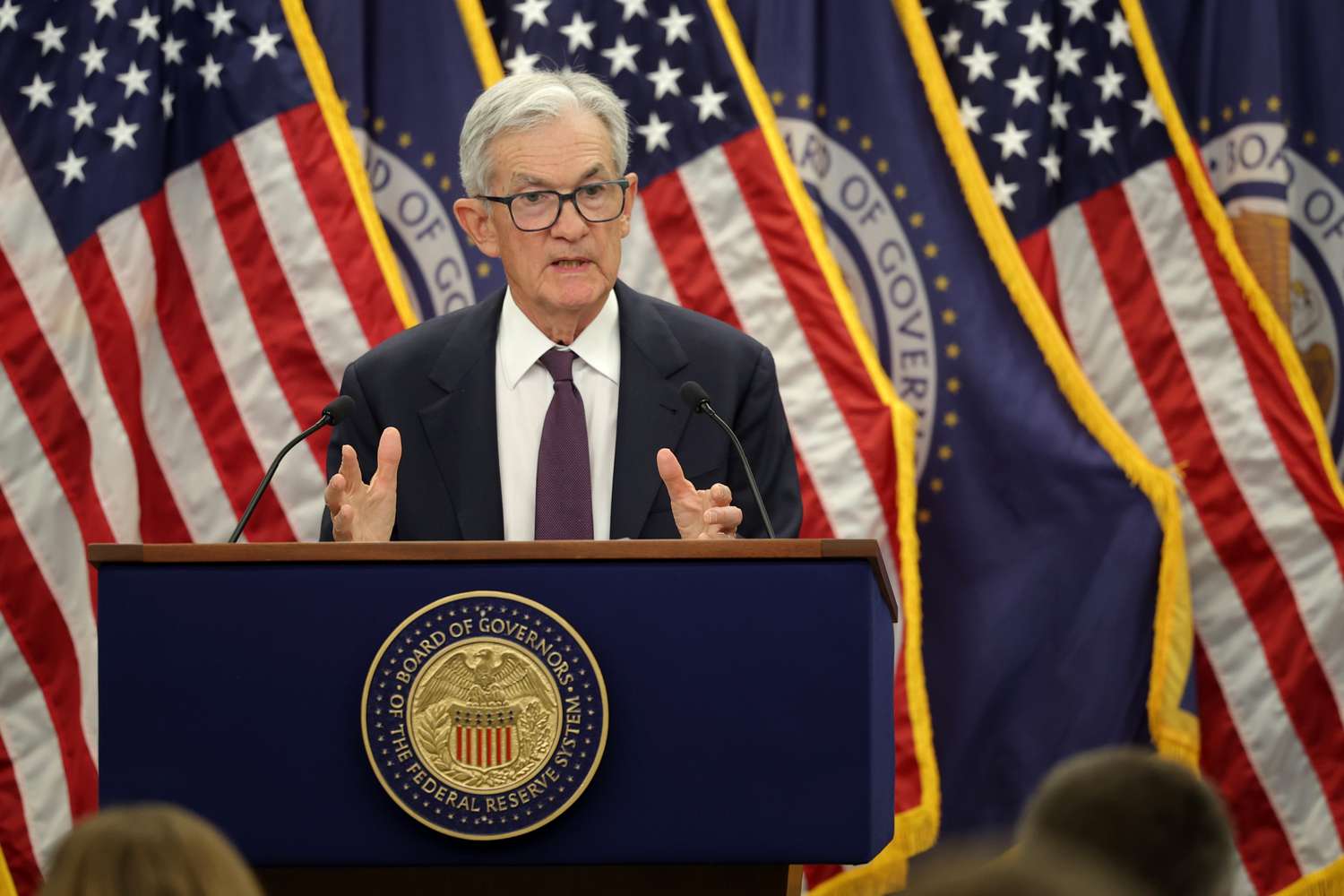
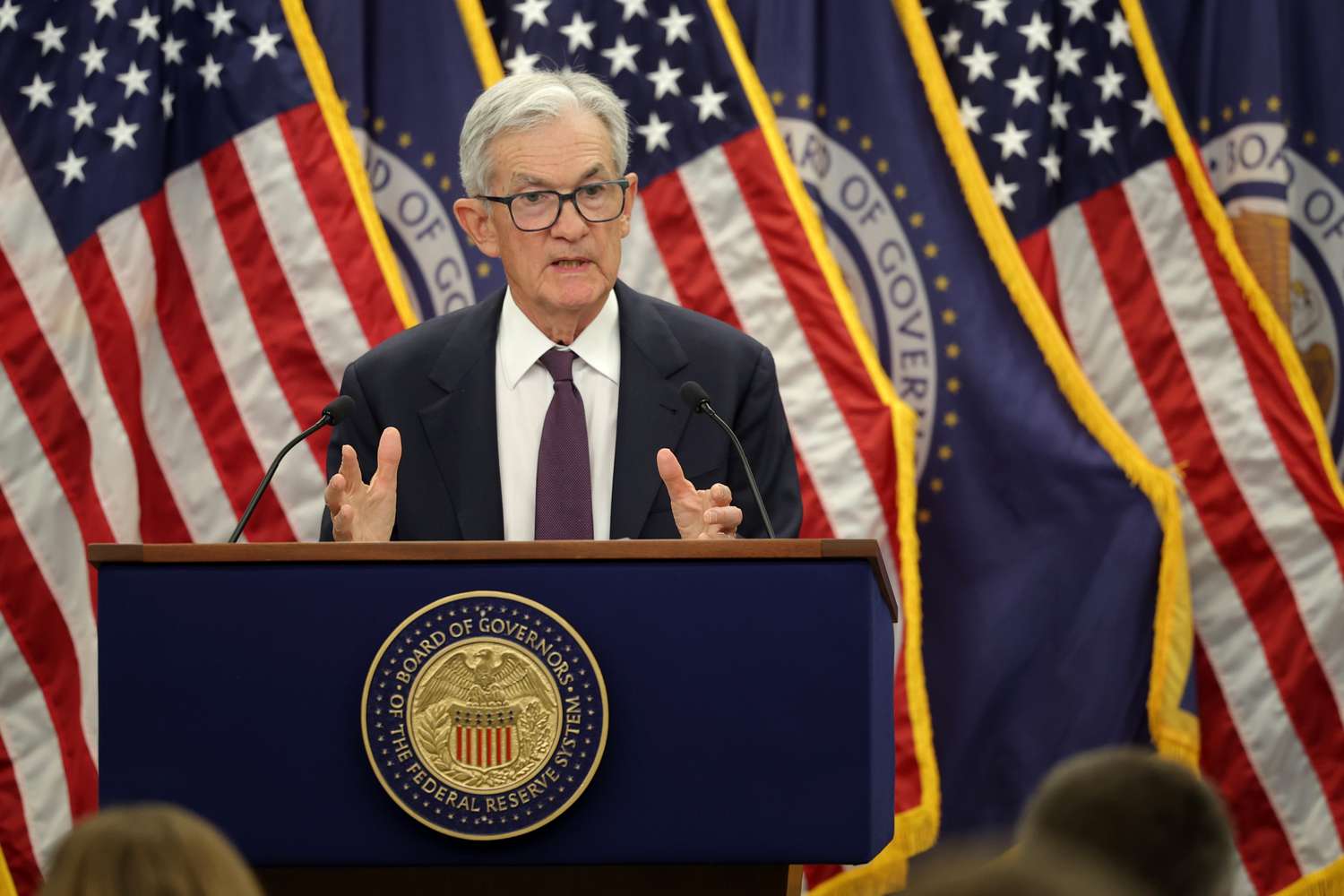
The Federal Reserve faces a critical juncture this week, with investors keenly awaiting signals from Chair Jerome Powell on how the central bank will navigate a complex web of economic risks. The FOMC is widely expected to keep interest rates on hold, but internal deliberations are likely to be intense, focusing on the dual pressures of Middle East conflict on the Fed's dual mandate and the potential for any move to curb slowing growth to reignite inflation that has persistently exceeded the Fed's target for five years. This analysis delves into market expectations, official statements, and the challenges facing monetary policy, alongside the political factors surrounding the central bank.
This article examines the latest developments concerning the alleged Israeli strike on Iran's Minister of Intelligence, Esmail Khatib. It delves into his professional background, pivotal role within Iran's security apparatus, and the potential repercussions of this incident on escalating Iran-Israel tensions, as well as its impact on Tehran's intelligence capabilities.
The Federal Reserve opted to keep interest rates unchanged with an 11-1 vote. The FOMC statement highlighted continued robust economic expansion but noted persistent elevated inflation and stable, though low, job growth. Uncertainty surrounding Middle East developments was acknowledged. Projections suggest a cumulative 25 basis point rate cut by 2026.
The Strait of Hormuz, a critical artery for global energy trade, faces severe disruptions with Iran selectively controlling vessel passage. While not officially closed, transit is increasingly contingent on political understandings with Tehran, leading to hundreds of oil and commodity tankers being detained. This analysis draws on data from Kpler and JPMorgan, highlighting the impact on supply chains, oil prices, and the diplomatic efforts by major importers like China and India, contrasted with the Western approach led by the US. Concerns are escalating over supply sustainability and growing global market uncertainty.
In a strategic move to stabilize energy markets and alleviate financial burdens on consumers and critical sectors, the US administration has implemented a temporary suspension of the Jones Act, a 1920 legislation governing domestic maritime shipping. This 60-day measure permits foreign-flagged vessels to transport a range of essential commodities, including crude oil, refined petroleum products, and natural gas, between US ports. The decision arises in response to global geopolitical disruptions and their potential impact on energy supplies and pricing. The administration's objective is to ease pressure on vital supply chains, ensure continuity of supply for the military, and foster economic stability, particularly given current inflationary challenges. This action reflects broader efforts to manage fuel price volatility, which directly influences consumer economic sentiment. While some analysts anticipate a limited impact due to the scale of current supply chain shocks, the administration emphasizes the measure's role as a swift and effective mechanism for efficient, low-cost supply flow, reiterating its temporary nature and commitment to not negatively affecting the US shipbuilding industry long-term.

Investment market today: The investment market today witnessed a mixed bag of performances across various asset classes, with the FTSE 100 closing lower while oil prices surged and gold experienced a notable decline.
This article delves into the escalating challenges faced by the Federal Reserve in achieving its 2% inflation target, as repeated efforts have been disrupted by unforeseen global events. It highlights how recent geopolitical conflicts, especially disturbances in the Middle East, are impacting energy and commodity prices, thereby delaying the prospect of interest rate cuts. Experts discuss how this situation is forcing officials to reassess their projections for the future path of interest rates, focusing on key turning points in policy statements, quarterly projections, and press conferences. The article also explores the impact of oil market volatility on policy decisions, historical comparisons, the difficulty in disentangling the effects of multiple economic shocks, and their implications for the labor market. It concludes by examining the Fed's capacity to navigate this crisis and the challenges it faces in securing public confidence in its long-term inflation control capabilities.
Belgian Prime Minister Alexander De Croo has ignited a significant debate within the European Union by advocating for the normalization of relations with Russia to secure more affordable energy. This stance directly confronts the EU's prevailing strategy of unwavering support for Ukraine amidst the ongoing conflict. De Croo asserts that many European leaders privately share his view, suggesting an underlying divergence from the public's unified front. His remarks highlight concerns over the economic burden of current energy policies and the perceived ineffectiveness of sanctions without stronger international coordination. The Belgian Foreign Minister has countered, emphasizing the crucial distinction between dialogue and normalization, and warning against signaling weakness to Russia. The EU's energy commissioner has reiterated the bloc's commitment to phasing out Russian energy imports, underscoring the complex geopolitical and economic landscape.
Amidst recent geopolitical turbulence, particularly the conflict in the Middle East, the carry trade strategy within the global foreign exchange market, a massive $9.5 trillion daily arena, has experienced a notable resurgence. This strategy, which involves borrowing in low-interest-rate currencies and investing in high-interest-rate ones, is benefiting from rising oil prices and supportive economic factors in certain currencies. Despite the volatility witnessed in equity and bond markets, carry trades have managed to deliver robust returns, with some segments achieving their best performance in three years. This remarkable performance is primarily attributed to the increasing role of commodities, especially oil and gas, in bolstering associated currencies. Structural factors such as strong economic growth and relatively higher interest rate policies in emerging markets are underpinning this strategy, with the Japanese yen's continued weakness serving as a preferred funding currency. However, the duration of the conflict and the risks associated with geopolitical volatility remain critical determinants for the sustainability of these gains.
New intelligence reports suggest President Donald Trump was aware of the high probability that Iran would retaliate against US allied nations in the Gulf in response to potential strikes. This information contradicts Trump's recent statements describing Iran's reaction as 'unexpected and surprising.'
This article examines the growing role of Yemen's Houthis as a strategic partner for Iran, particularly in the context of regional escalation tied to the Gaza war. It delves into the strategic assessments made by the Houthis, their potential motivations for direct military engagement, and their influence in pressuring vital shipping lanes like the Bab al-Mandeb Strait. The article also discusses the challenges faced by the Houthis, their independent strategic decision-making, contrasting it with a proxy role, and considering the domestic and regional ramifications of their choices.
This analysis delves into the potential impact of the Iran conflict and the subsequent surge in oil prices on the US stock market. While concerns about inflation and economic slowdown loom, historical data and fundamental analysis suggest the market may absorb the shock without a significant collapse. Experts highlight strong underlying fundamentals and anticipate a gradual, resilient path forward.
In his first foreign policy pronouncements since assuming leadership, Iran's new Supreme Leader, Ayatollah Mojtaba Khamenei, has rejected any proposals for de-escalation or ceasefire with the United States and Israel, demanding they "kneel and admit defeat" and pay reparations. These strong demands come amidst escalating conflict now in its third week, with over 2,000 fatalities and the continued blockade of the Strait of Hormuz exacerbating global economic concerns. Meanwhile, conflicting reports emerge regarding the new leader's health, with some sources suggesting he was transported to Moscow for urgent medical treatment following an airstrike injury, while Iranian officials deny this. Doubts are also rising about his leadership capabilities, shrouded by the ambiguity surrounding his first official statement, which is believed to have been drafted by another official. These developments signal a new phase of hardline confrontation in the region.
A short-term options trade linked to the Secured Overnight Financing Rate (SOFR) has yielded a remarkable $10 million profit, propelled by the recent surge in oil prices and a recalibration of market expectations regarding the Federal Reserve's monetary tightening path. Established in January, the trade was predicated on the view that interest rates would be higher by mid-2028 than previously anticipated. Amid escalating geopolitical tensions and renewed inflation concerns, movements in oil prices transformed this speculative bet into a profitable reality, showcasing the intricate interplay between energy markets and central bank policies.
Cuba faces a severe economic downturn due to a US oil blockade, resulting in widespread blackouts and social unrest. US pressure is intensifying while Havana seeks diplomatic solutions, hinting at broader geopolitical maneuvers.