Global energy markets are experiencing extreme volatility, largely spurred by geopolitical events in the Middle East. This has attracted a surge of retail investor interest, with unprecedented inflows into oil-related Exchange Traded Funds (ETFs) like USO. This phenomenon highlights a growing appetite for risk among individual investors, albeit with echoes of past speculative frenzies and significant losses. The article delves into the drivers behind this trend, the mechanics of oil ETFs, and the associated risks, drawing comparisons to historical market cycles.
US-led peace efforts between Russia and Ukraine are reportedly at risk of stalling. This is attributed to President Trump's waning interest in the negotiations and Washington's increasing preoccupation with the conflict in the Middle East, particularly with Iran. The Kremlin appears to be leveraging this shift to its advantage, benefiting from rising oil prices and a pause in some sanctions, while Kyiv faces a rapid depletion of crucial US ammunition. European officials express deep concern, viewing the Middle East crisis as drawing political and logistical resources away from Ukraine, hindering peace progress and jeopardizing the security situation.
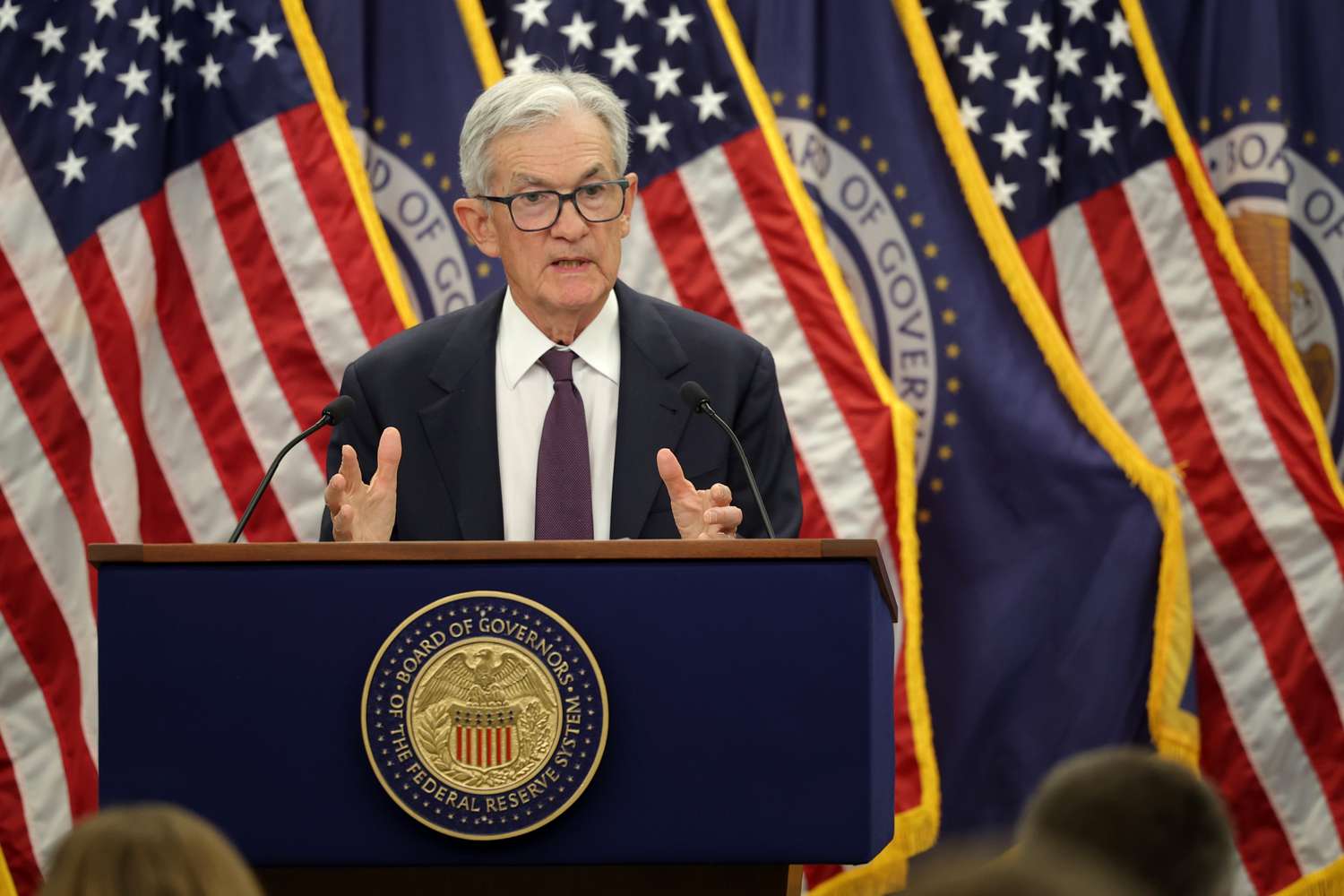
The confirmation process for Kevin Warsh's nomination to head the Federal Reserve is encountering substantial delays, primarily stemming from the White House's failure to submit necessary documentation. This procedural holdup is compounded by complex financial disclosure issues, reportedly linked to Warsh's familial ties to the prominent Estée Lauder family, a situation that previously impacted another high-profile financial nomination. Political headwinds are also significant, with Senator Thom Tillis signaling his intent to obstruct the nomination. While current Fed Chair Jerome Powell navigates an increasingly challenging economic landscape, analysts suggest that these delays might inadvertently benefit Warsh by shielding him from immediate scrutiny during a volatile economic period. Powell, meanwhile, is expected to continue leading the Federal Open Market Committee, bearing the brunt of responsibility for economic management amidst geopolitical tensions and supply-side shocks.
The tungsten market, a critical metal for weapons and semiconductors, is experiencing an unprecedented supply crunch. Fueled by escalating military demand and production constraints, tungsten prices have surged to record highs. This article examines the underlying causes of this crisis, its impact on global supply chains, efforts to enhance strategic mineral security, and the future market outlook.
This article examines the unprecedented pressure on the Federal Reserve's independence, detailing how legal challenges have replaced traditional political norms in protecting the central bank's autonomy. It explores the implications of presidential attempts to influence monetary policy and the role of the courts in safeguarding this crucial institutional pillar.
The Iranian Ambassador to Saudi Arabia, during a Reuters interview, stressed the urgent need for a "thorough re-evaluation" of relations between Iran and Gulf nations. This call comes in the context of the ongoing war waged by Israel and the United States in Gaza, as Iran believes that reducing external interference is the path to achieving true prosperity in the Middle East. The ambassador acknowledged realistic concerns about the war's impact on bilateral ties, emphasizing the inescapable nature of neighborly relations. He noted that the conflicts witnessed in the region over the past five decades have often stemmed from "exclusive internal practices" and "over-reliance on external powers," urging for stronger bonds between the GCC countries, Iran, and Iraq. According to the Saudi Ministry of Defense, attacks have primarily targeted the eastern regions rich in oil, Prince Sultan Air Base, and the diplomatic quarter in Riyadh. The Iranian ambassador denied any Iranian responsibility for attacks on Saudi oil infrastructure, asserting that his country exclusively targets American and Israeli interests. He confirmed that relations with Saudi Arabia are progressing naturally in many areas, expressing hope that an cessation of US and Israeli attacks would create an environment conducive to Middle East prosperity.
This article delves into how the Israeli-Iranian conflict is being leveraged as a political tool in the upcoming Israeli elections. The analysis reveals the strategies of various parties and how Netanyahu's success hinges on the war's progression. It also discusses the role of domestic divisions and economic challenges in shaping the outcome.
The report reveals intensive communications between Saudi Crown Prince Mohammed bin Salman and former US President Donald Trump during the war, with the Prince urging continued pressure on Iran. These calls align with a complex Gulf strategy that avoids direct confrontation with Tehran, despite Iranian provocations, while focusing on containing Iranian influence and supporting regional stability.
Global markets are pivoting towards new investment strategies to navigate escalating geopolitical tensions and growing concerns about stagflation. Traditional investment playbooks are being discarded, with an increasing focus on the US Dollar, Chinese equities, the Australian Dollar, and innovative hedging instruments.
Recent US economic data, including the Personal Consumption Expenditures (PCE) index, Gross Domestic Product (GDP), and consumer spending, reveal persistent challenges in taming inflation. Sustained increases in core PCE, coupled with moderating GDP growth and geopolitical risks impacting oil prices, suggest the Federal Reserve may delay interest rate cuts, impacting market expectations.
This analysis provides a comprehensive overview of the key events shaping financial markets and the global economy this week. It begins with an examination of escalating geopolitical tensions in the Gulf region and their impact on oil prices and global markets. It then moves to assess the performance of major financial markets, including the US dollar, gold, non-US currencies, and US stocks. The analysis also reviews leading financial institutions' forecasts on inflation, interest rates, and the future of oil. It concludes by highlighting significant technological developments, including advancements in AI, new product launches from major companies, and their impact on economic sectors.
This article delves into the perplexing phenomenon of gold prices failing to respond with expected surges to recent geopolitical tensions, contrasting with historical patterns. Key economic factors are analyzed, including a strong US dollar and rising US Treasury yields, along with the impact of elevated oil prices and potential monetary tightening. Investor behavior and the effect of recent events on liquidity are also discussed, while presenting an optimistic future outlook from investment banks.
Apple has announced a significant reduction in its App Store commission rates in China, effective March 2026. This includes lower percentages for paid apps and in-app purchases, with even steeper cuts for small businesses and participants in the Mini Programs Partner Program. The move aims to foster a more competitive and equitable developer environment, aligning with global trends in adjusting its fee structures.

Proposed expansion of ESMA's powers raises concerns about the potential impact on the EU's crypto and fintech sectors. Centralized licensing and slower regulatory processes are key worries.

Bitcoin's 'Santa' rally may be ignited by the Federal Reserve's upcoming interest rate decision. This article analyzes the macroeconomic factors potentially influencing Bitcoin's performance into 2026.

Western Union expands into digital assets with a new stable card and plans to issue its own stablecoin, focusing on emerging markets.
Investors brace for a data-heavy week, highlighted by the Federal Reserve's meeting and key inflation and jobs reports from the US.
A report on expected central bank decisions and their market impact, highlighting the Fed's potential rate cut, gold and silver performance, and expert opinions.
Clear Street, a prominent brokerage in the crypto-treasury space, is preparing for an IPO. However, the offering comes as the crypto-treasury model that underpinned its growth faces mounting pressures.
Overview of the latest news in the cryptocurrency market, focusing on regulatory actions, economic indicators, and market developments.